
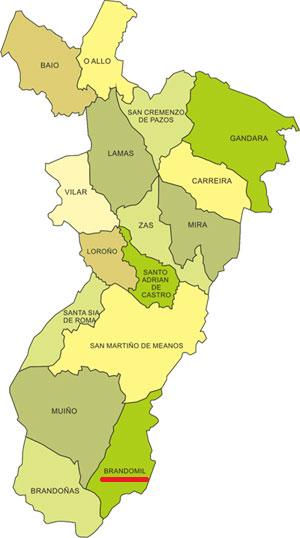
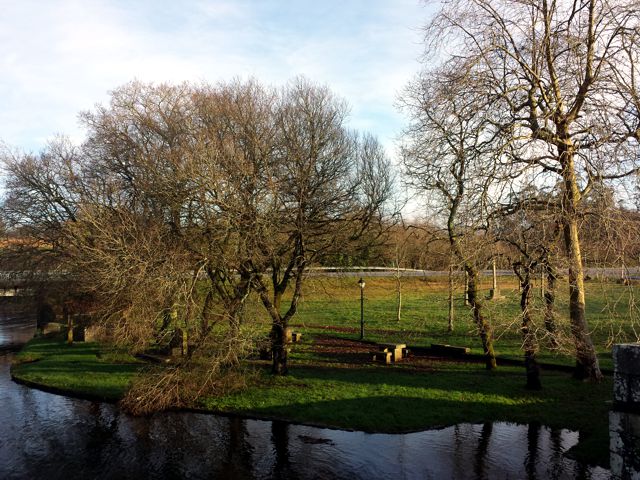
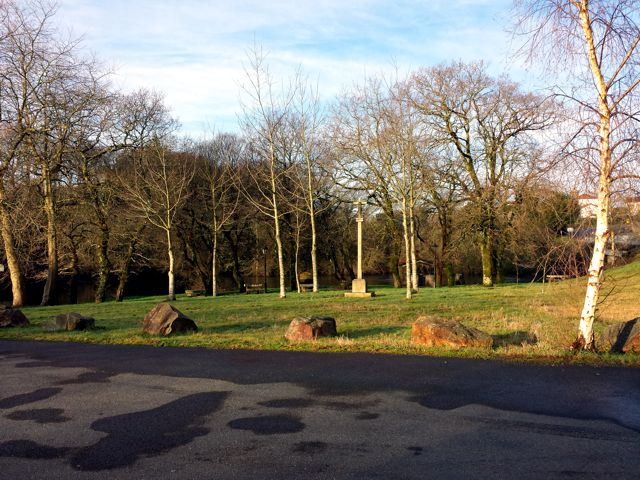
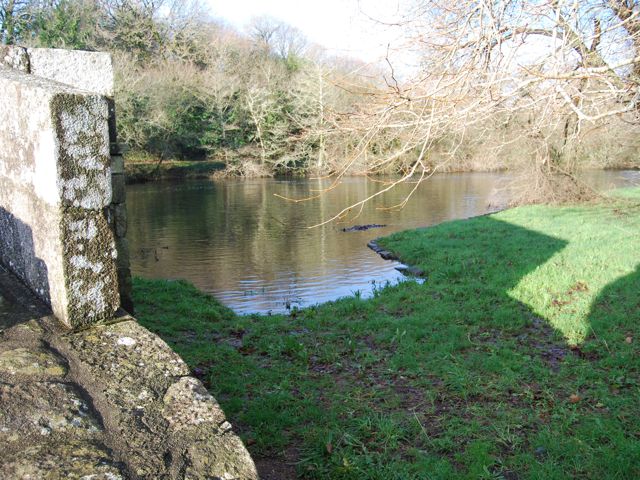
With a name of Celtic origin (almost certainly so, according to the most recent studies) and located in the south-eastern part of the municipality, on the banks of the River Xallas, it is made up of the villages of Acalabanda, Brandomil, A Lagoa, Limideiro, Padreiro, Pudenza and Quintáns.
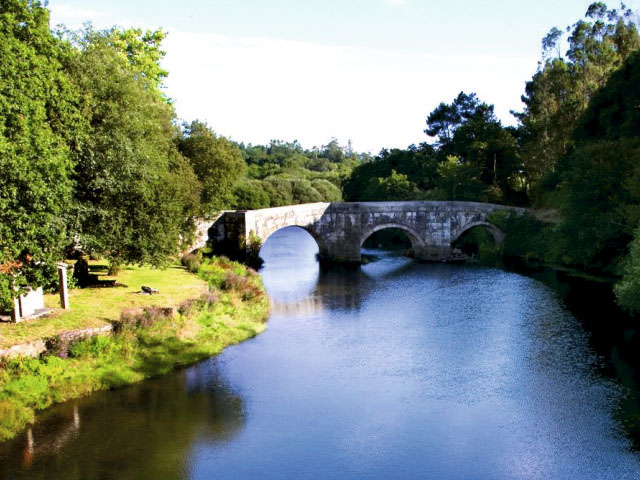
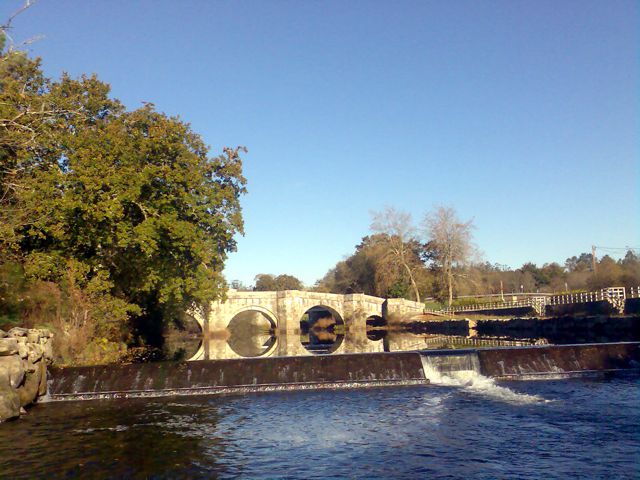
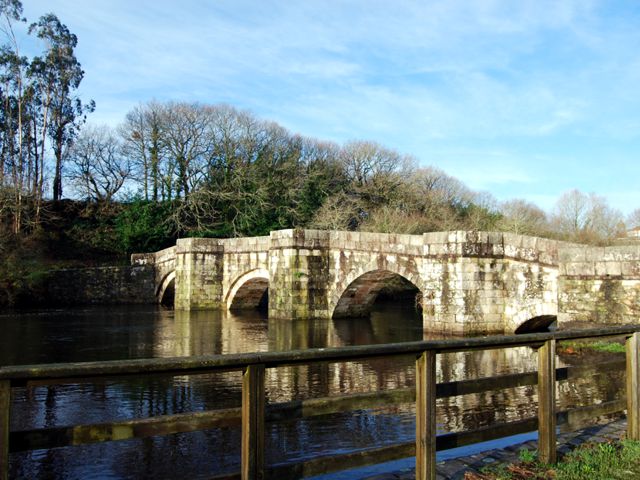
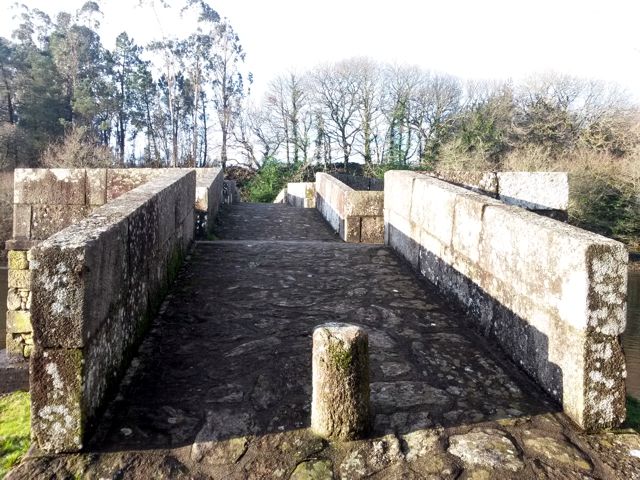
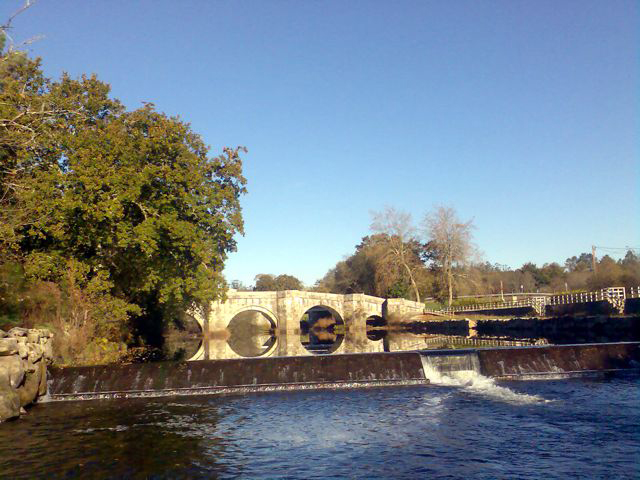
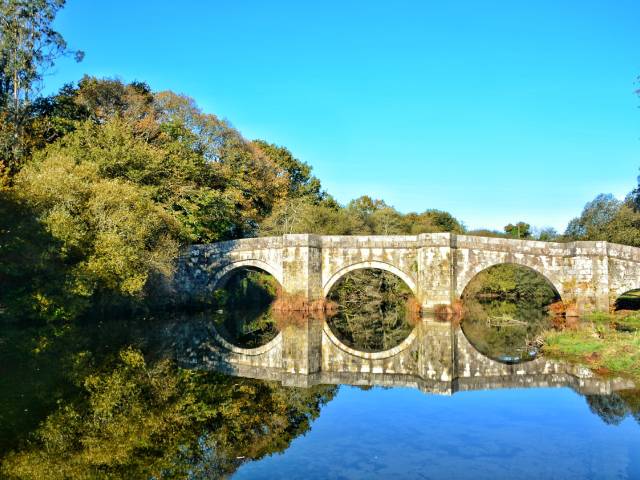
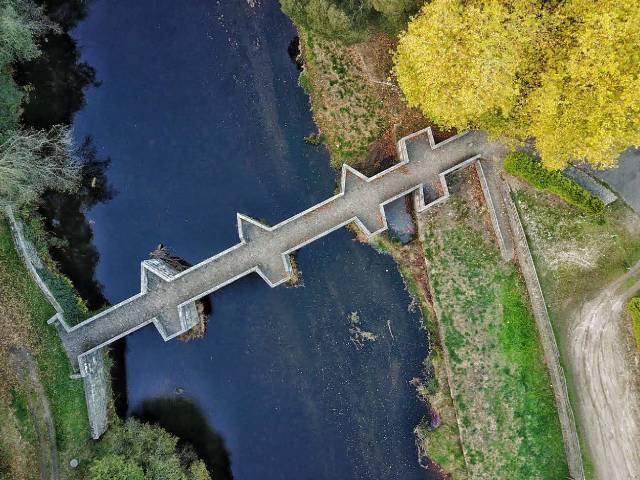
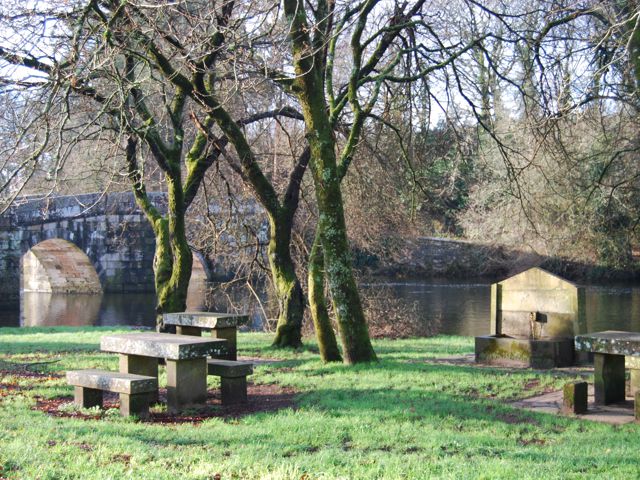
With 246 inhabitants in 2016, it has archaeological sites of great importance, among which several hillforts (castros) stand out, as well as the old bridge (Ponte Vella) over the River Xallas (probably dating from the 16th century, although built on a Roman foundation), and a possible Roman road running between Brandomil and Brigantium (A Coruña), together with a settlement from the same period lying beneath the present-day village of Brandomil. There, numerous architectural elements were found (later reused by local residents in their own buildings), in addition to many carvings, ceramic remains, glass and metal objects.
The period of occupation seems to have been a long one: the Roman remains range from the 1st to the 4th century, although the chronological span could well be broader.
After the surveys and excavations carried out in 2007 by Naveiro López, the historical importance of the site was greatly enhanced, and it came to be considered one of the most significant in the province of A Coruña, after the city of A Coruña itself, Iria/Padrón and Ciadella (Naveiro, 2008).
The village of Brandomil inspired the Galician poet Eduardo Pondal, who used its name for the Celtic hero that appears in several of his works.
![1Ara_romana_dedicada_a_deusa_Fortuna_exposta_nun_xardin__particular_de_Brandomil_[Foto_EDR]](https://concellodezas.gal/wp-content/uploads/2021/05/1Ara_romana_dedicada_a_deusa_Fortuna_exposta_nun_xardin__particular_de_Brandomil_Foto_EDR.jpg)