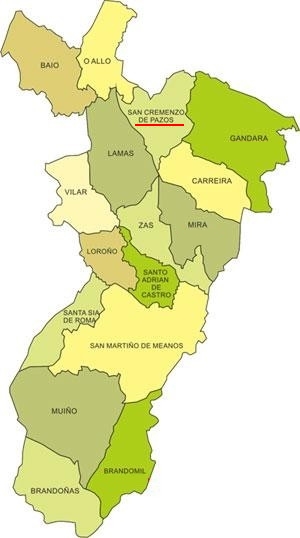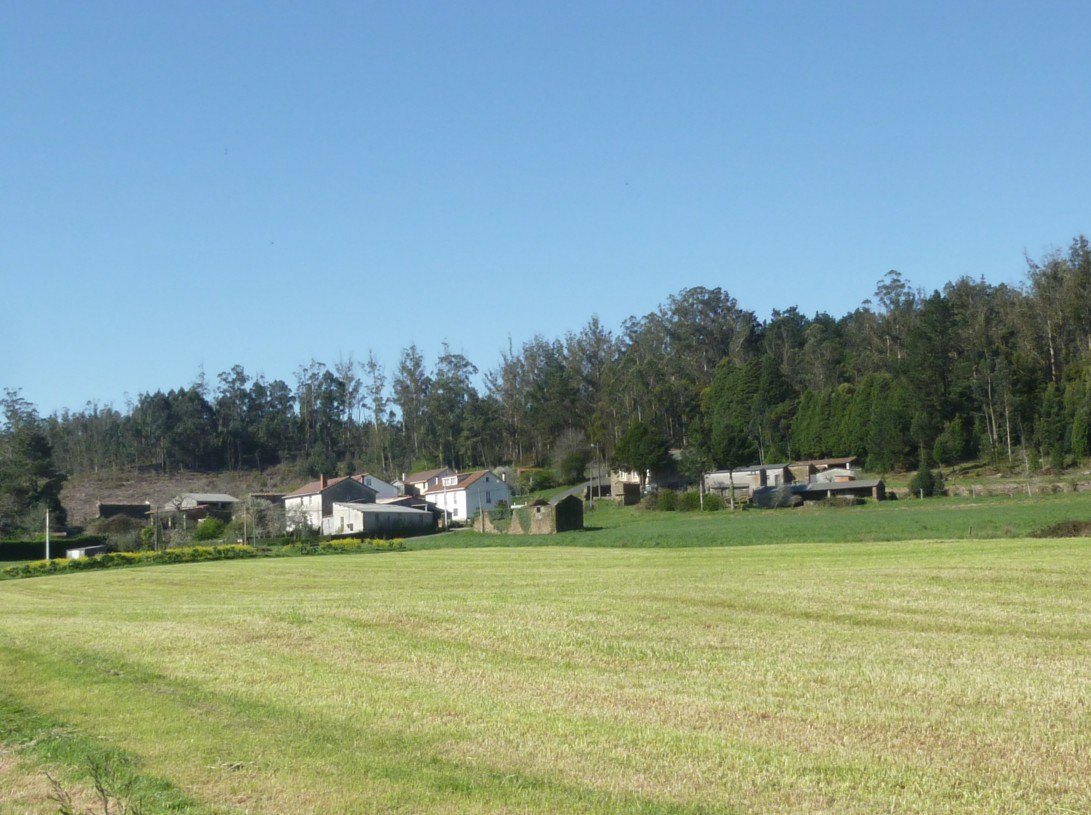
Located in the northern part of the concello of Zas, it forms the boundary with the concello of Cabana de Bergantiños (parish of Santo Estevo de Anos). Within the concello itself it borders on the parish of Gándara to the E, Carreira to the SE, Lamas to the W, and O Allo, its annex parish, to the NW.
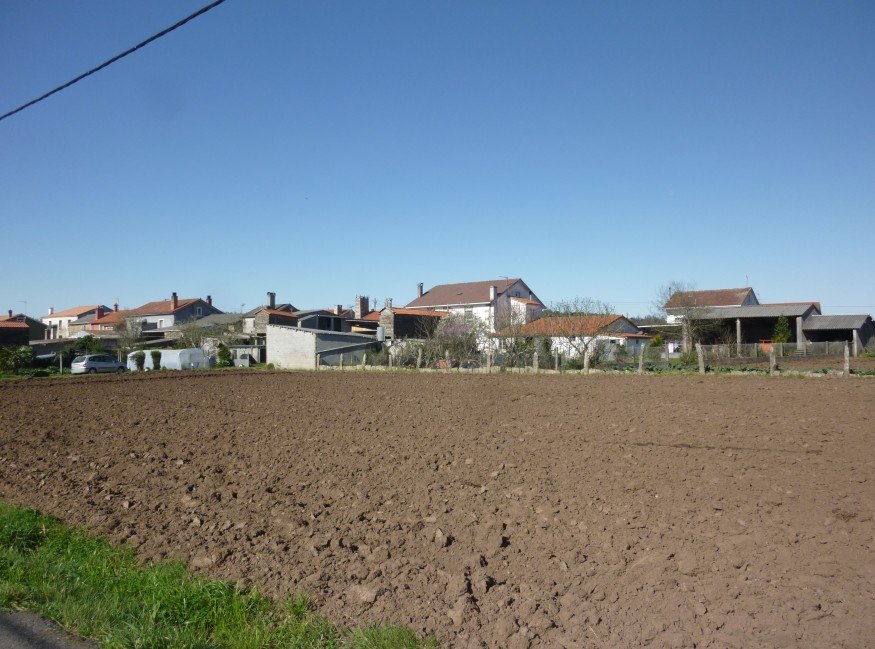
During the Ancien Regime this parish formed part of the royal domain jurisdiction of Soneira. It is the mother parish of O Allo. Its area reaches 11 km2, a territory in which only three settlements are found: San Cremenzo, Daneiro and Castro. In P. Madoz’s Diccionario two other places were mentioned, now vanished: A Cotela and A Pedra que Tangue.
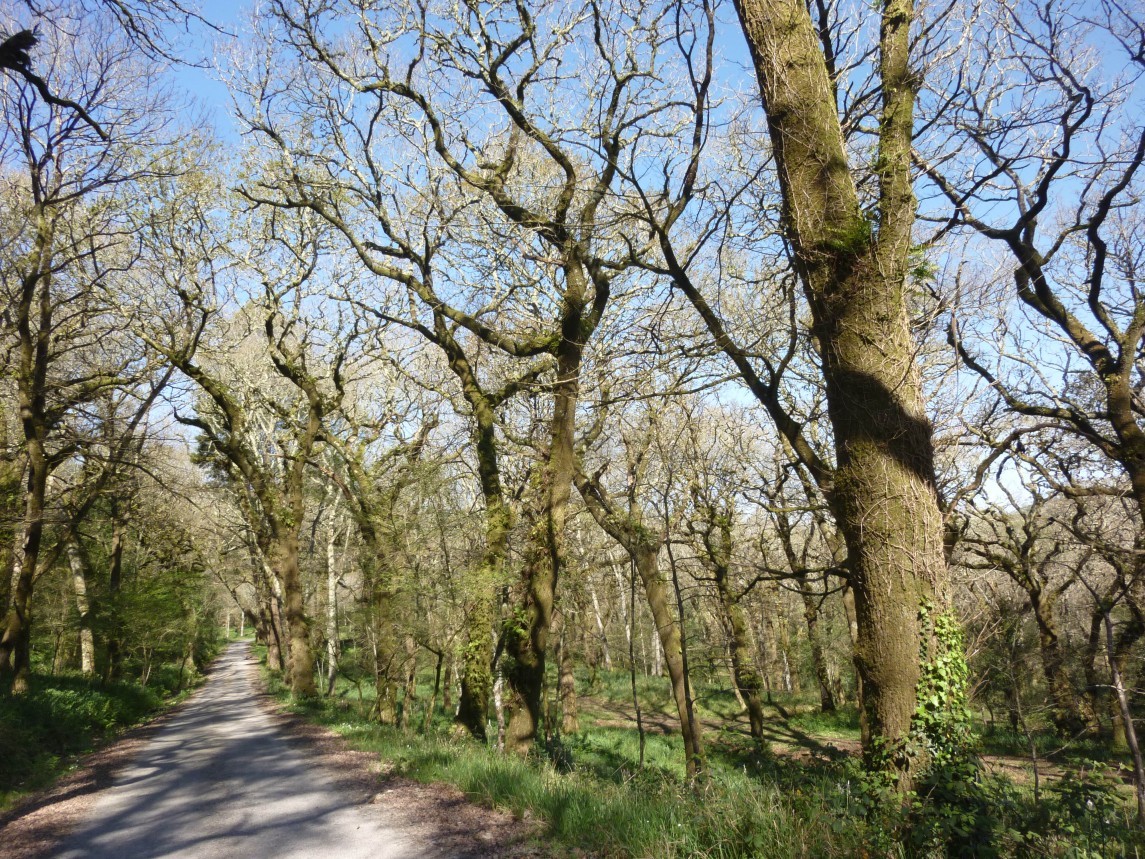
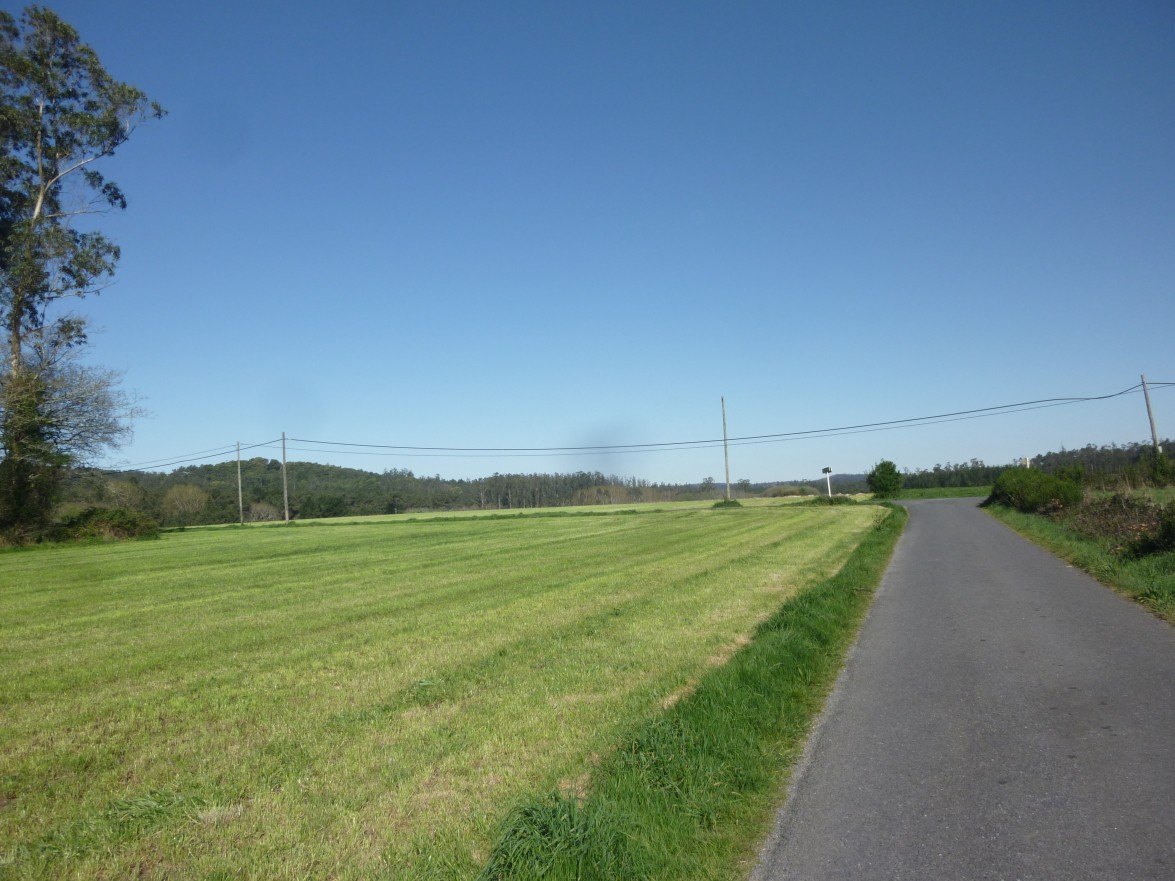
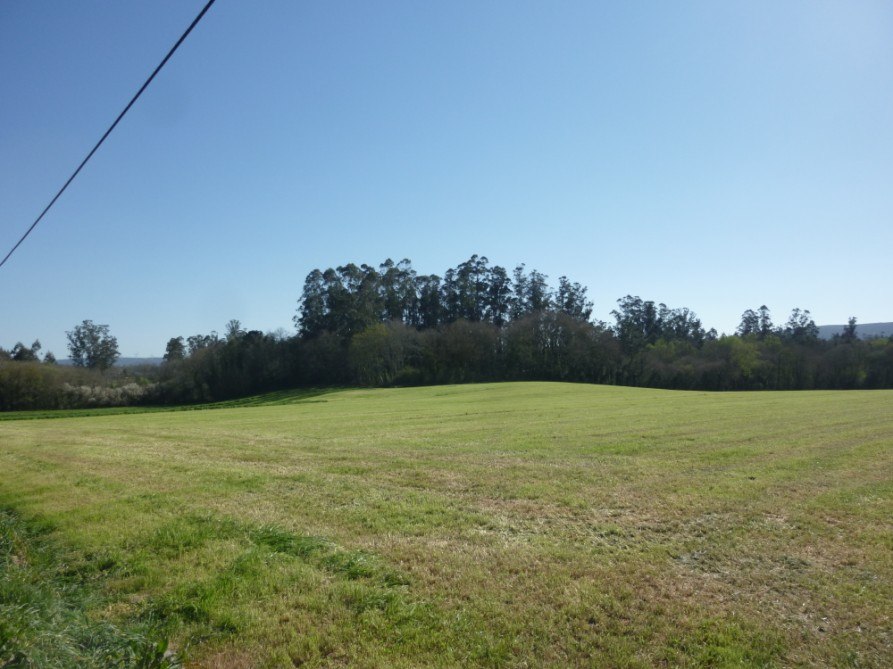
This is an eminently flat parish; this level terrain is only broken by a small rise between the villages of Castro and Daneiro on one side and Pereiras and Vermello (parish of Lamas) on the other. Its highest point is Alto de Castro (271 m).
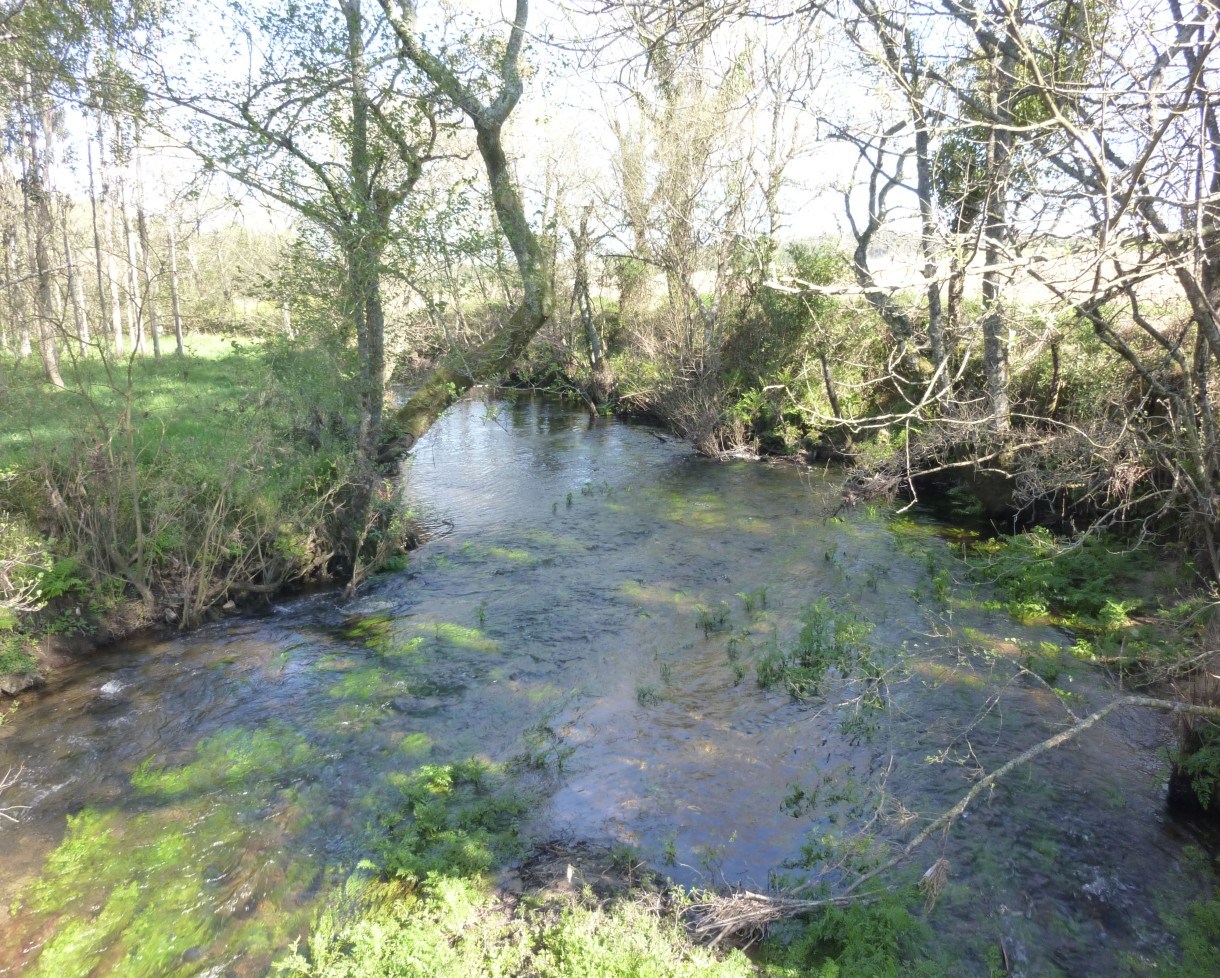
It is crossed by the río do Porto (or Grande), whose course varies in direction but is predominantly east–west. Near the village of Castro it has already joined the river coming from Mira. Over the approximately 5 km it flows within the parish it drops only about 10 m.
Geologically it forms part of the Malpica–Tui Unit (MTU), a belt between 4 and 9 km wide. Its northern sector runs from Malpica to the Fervenza fault at the level of the Xallas river, and within it lie most of the lands of the concello of Zas – San Cremenzo among them – between O Allo and the Fervenza reservoir.
Among its place names, Daneiro stands out: there is no other place with this same name in Galicia or in the rest of Spain. Although it was once a noble surname, today it does not appear in the Catálogo dos Apelidos Galegos.
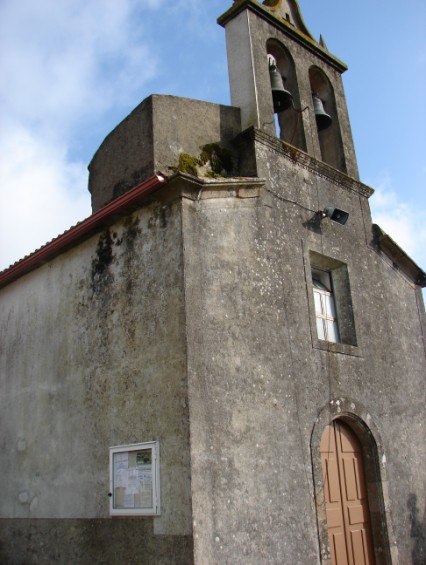
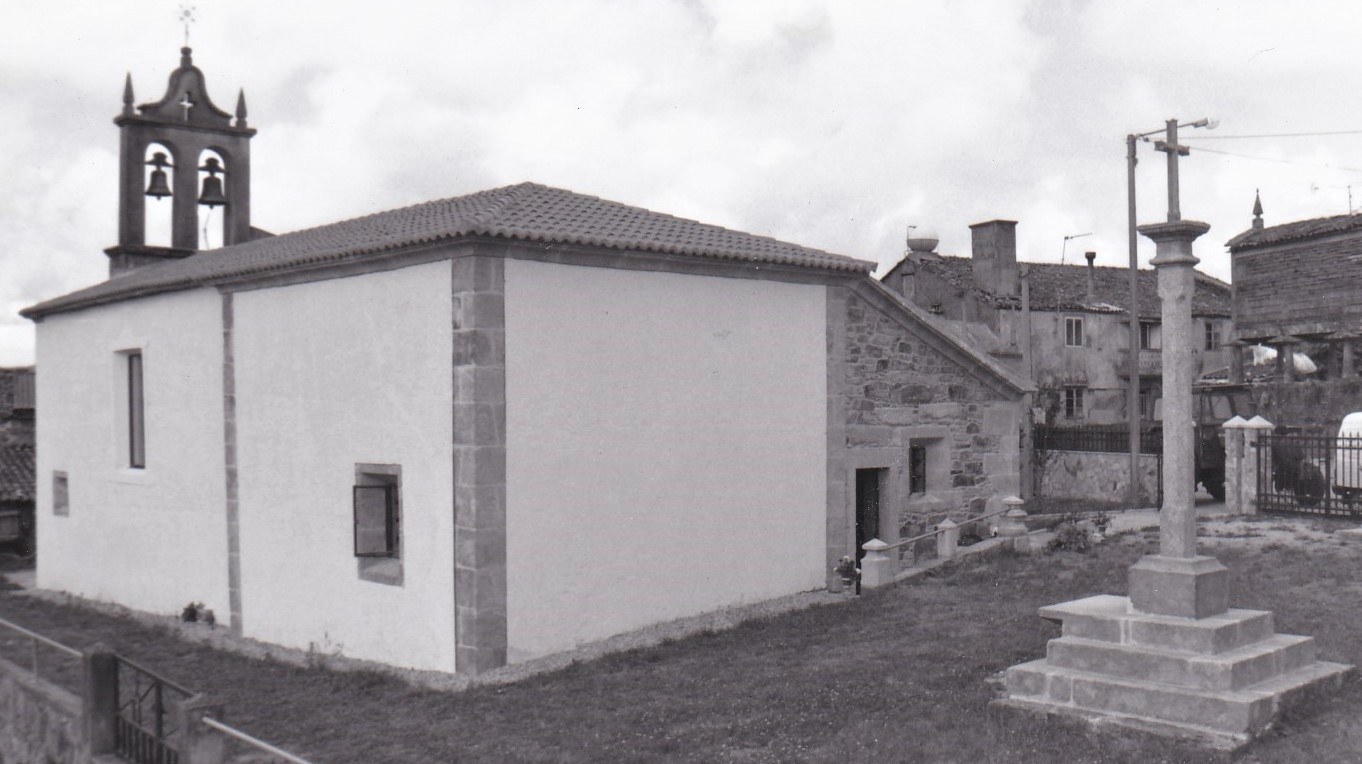
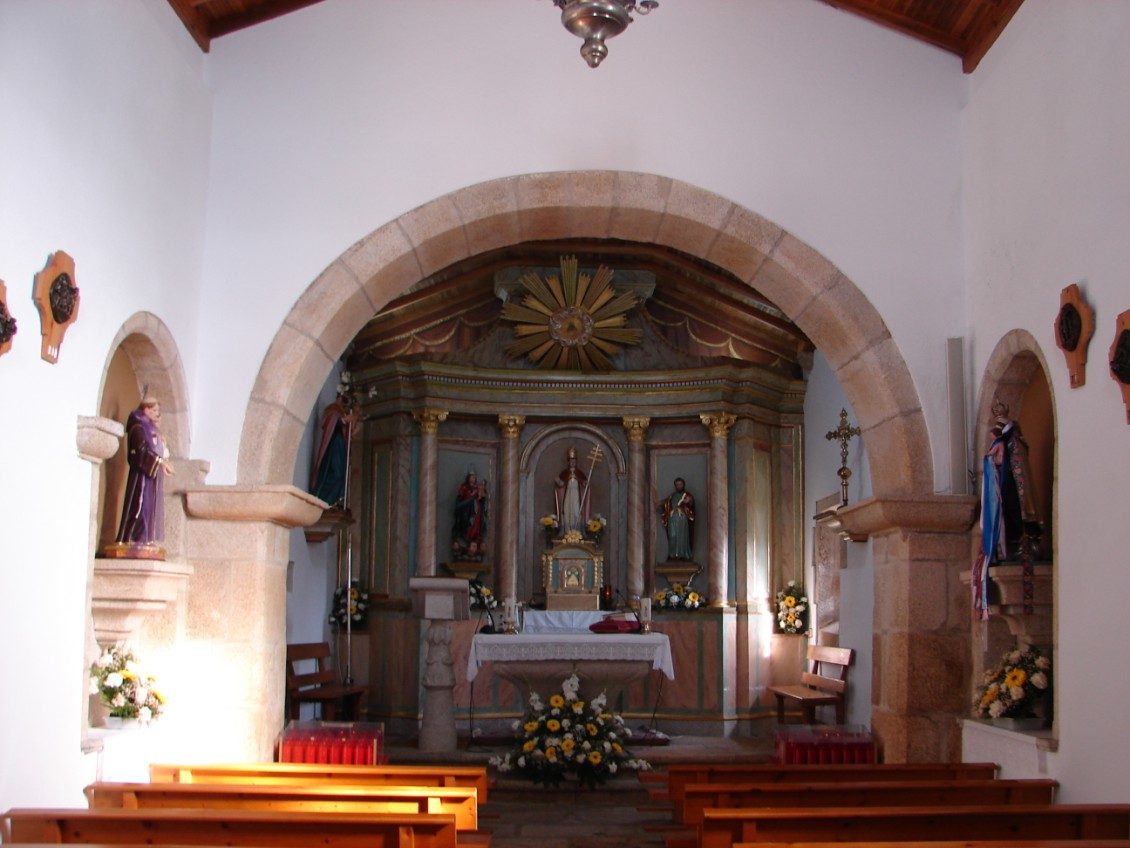
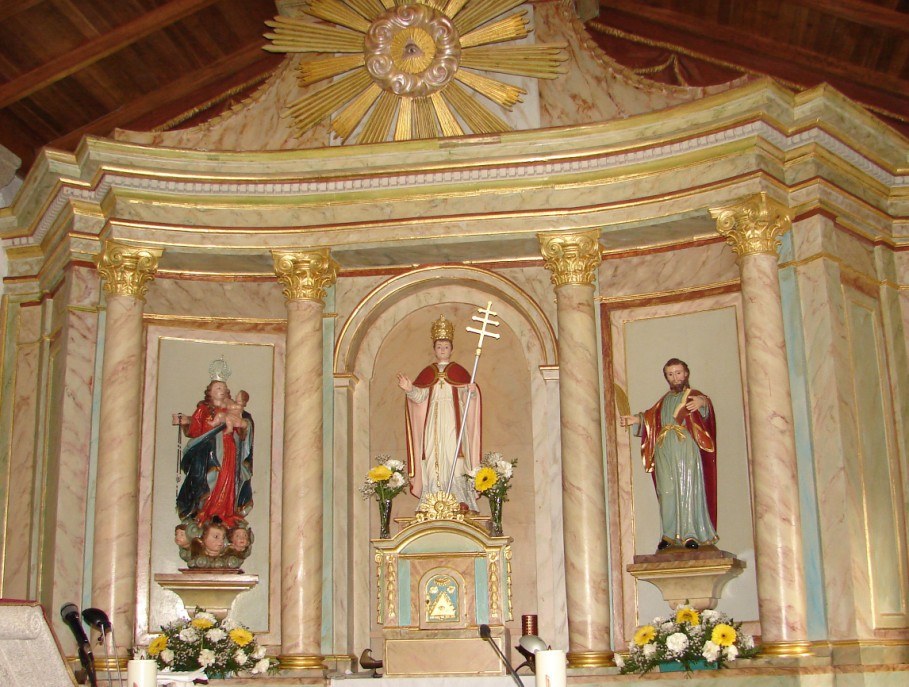
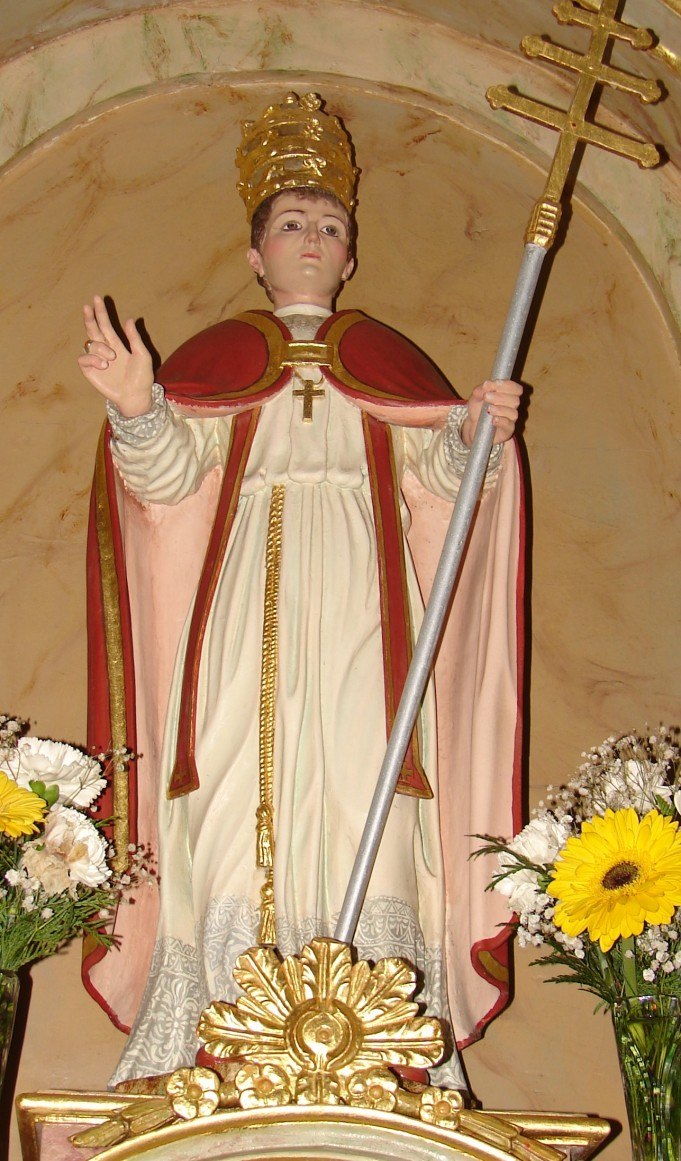
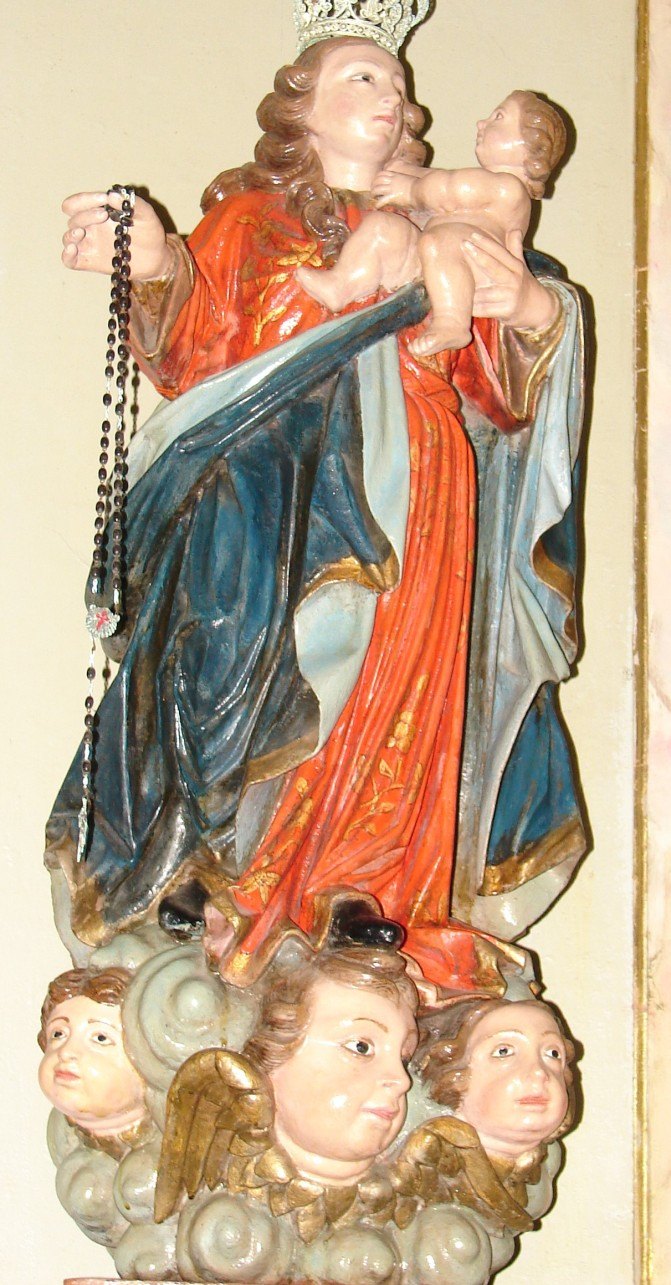
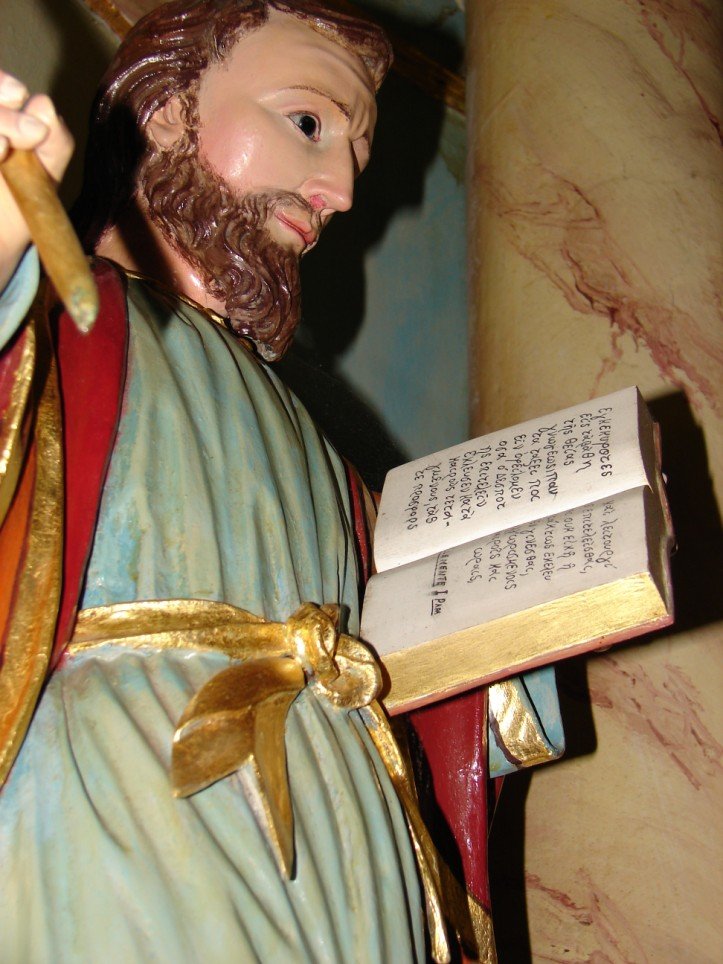
The church has a hall-church ground plan, consisting of a square main chapel and a rectangular nave; attached to the north wall of the main chapel is the rectangular sacristy. The chancel is covered by a wooden vault and the nave by a flat wooden ceiling. The altarpiece is Neoclassical in style; its most notable images are a beardless San Cremenzo but with papal attributes, a mid-18th-century Our Lady of the Rosary, and a San Marcos.
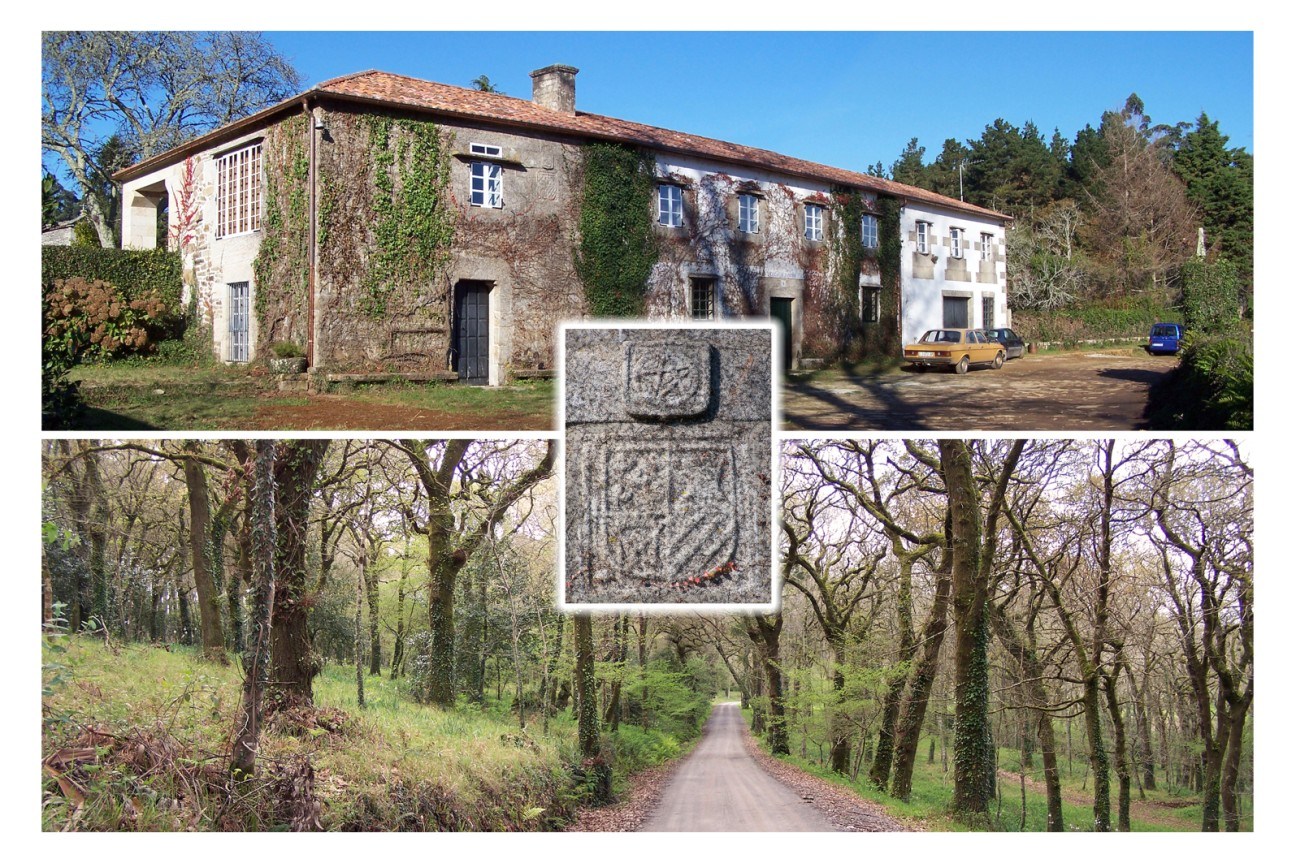
The parish is also home to the pazo of Daneiro, a large rectangular manor house with a long façade of about 32 m facing east. On the façade there is a coat of arms, much worn by erosion, in which the arms of the Figueroa (five fig leaves), the Moscoso (a severed wolf’s head), the Montenegro (the crowned “M”) and the Varela (the bars) can still be made out; the shield is crowned by a five-pointed star inscribed in a circle. Its first owner was Fernando García de Gomariz.
There are three recorded burial mounds (mámoas) in the parish: two very close to the turn-off on the track from Castro to Daneiro and a third in the area known as As Landeiras, all of them very near the village of Castro.
The parish also has an Iron Age hillfort (castro) between the villages of San Cremenzo and Castro, on the bank of the río do Sisto. For a number of years it has been undergoing serious deterioration because most of its defensive works have been destroyed; they remain more or less intact only along the river side.
Among the parish festivities, the feast of the patron saint, San Cremenzo, stands out: his feast day, in winter, is celebrated on 23 November, though there is no special celebration. On the following day, Saint Mark (san Marcos) is also celebrated. Other feasts are: Our Lady of the Rosary (3 February), the Blessed Sacrament (2 July) and Our Lady of Mount Carmel (last Sunday in July). The latter had an open-air dance for many years. At present, none of them has any particularly special celebration.