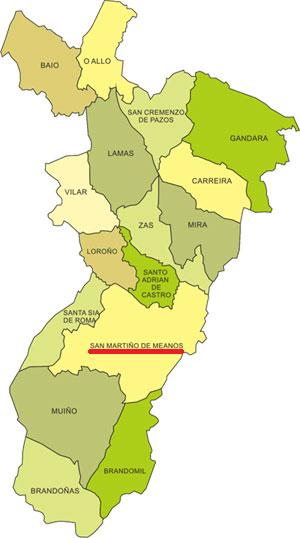
San Martiño de Méanos is the largest parish in terms of area in the municipality of Zas and includes the following villages or population centres: A Atalaia, As Edreiras (which from a civil point of view belongs to Meanos and ecclesiastically to Santo Adrián de Castro), Froxán, Langueirón, A Mámoa, Maxín, Meanos, Rial de Arriba, San Martiño, Vila and Vilar de Lamas, which in 2016 had a total population of 489 inhabitants.
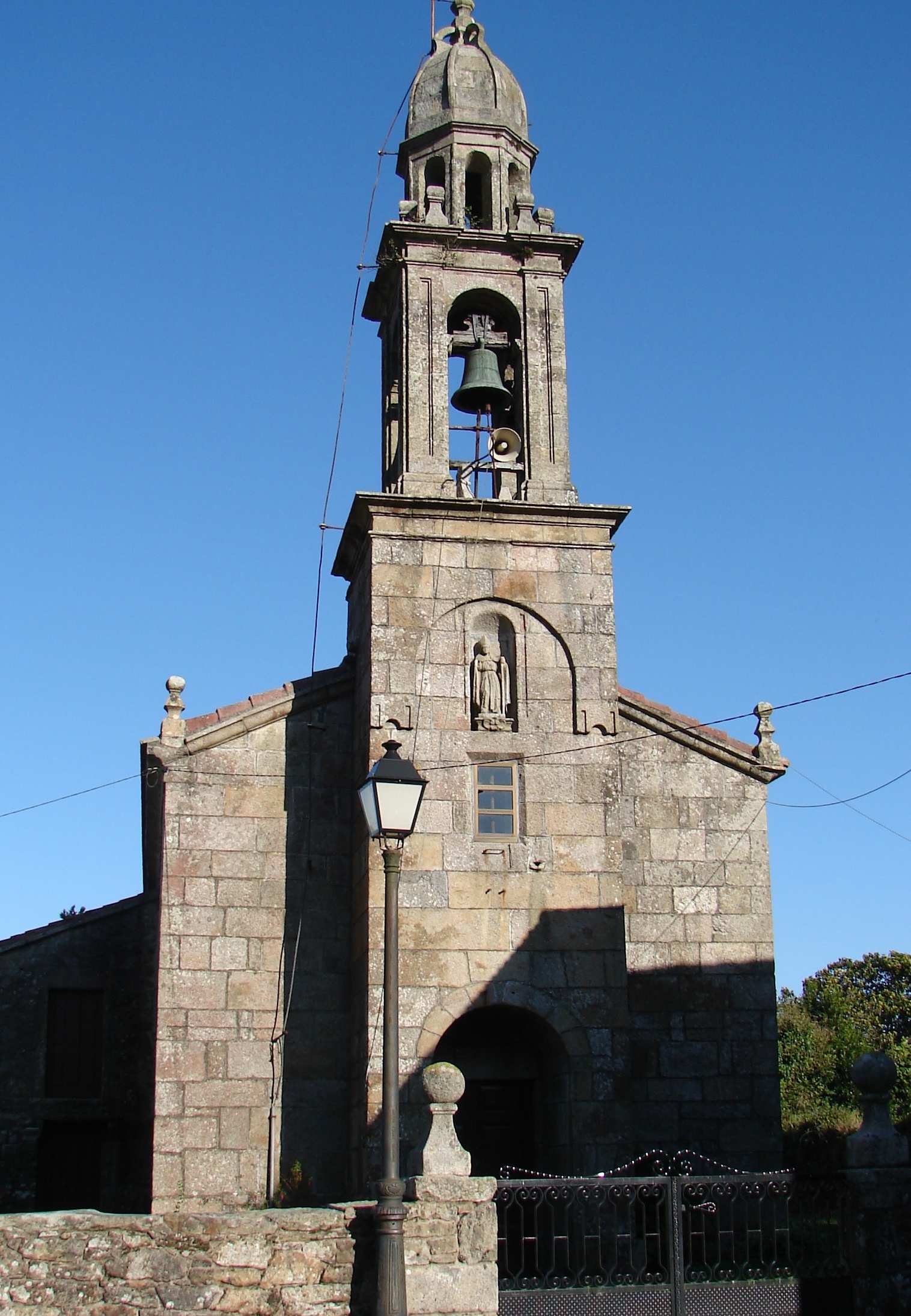
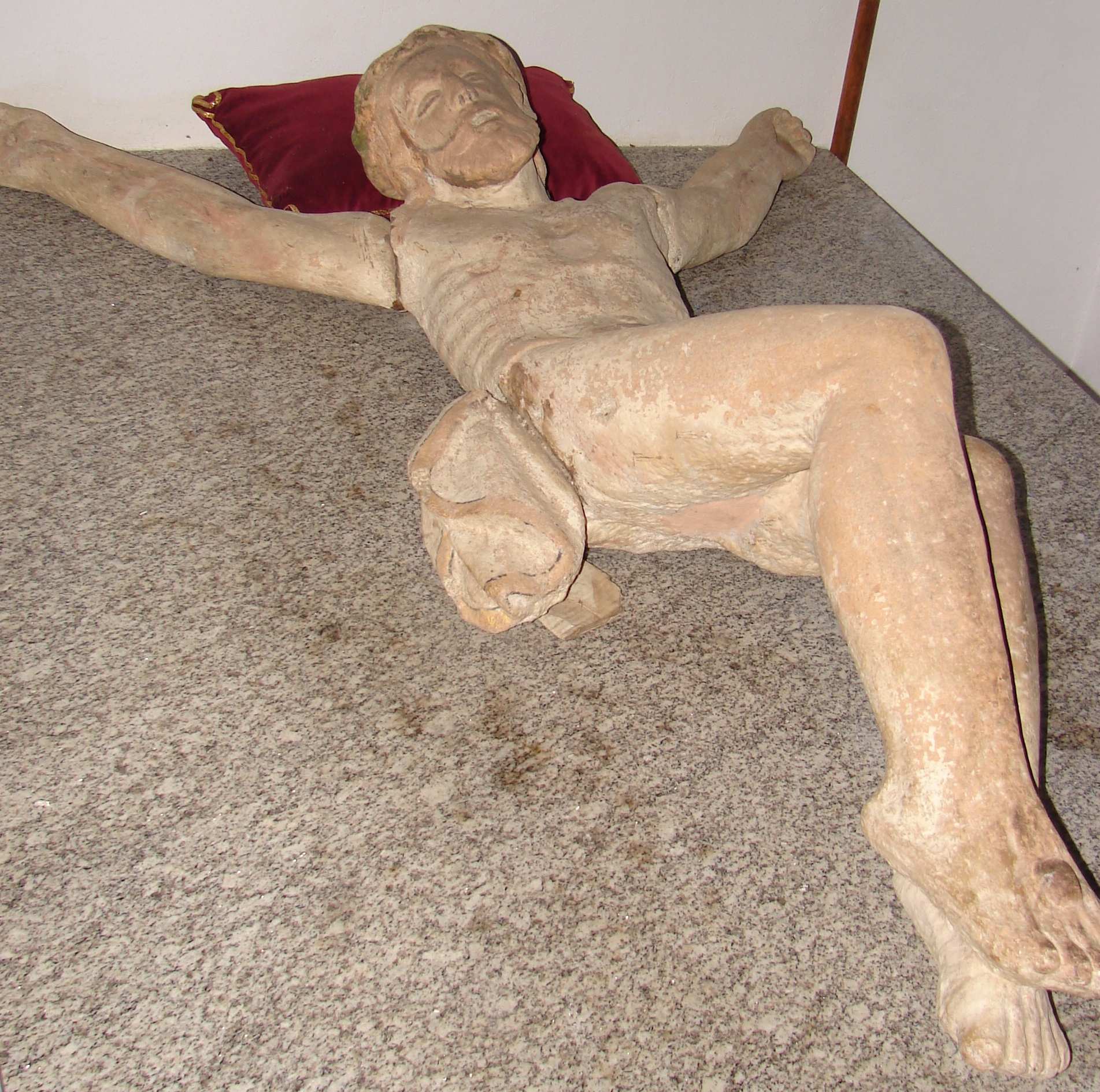
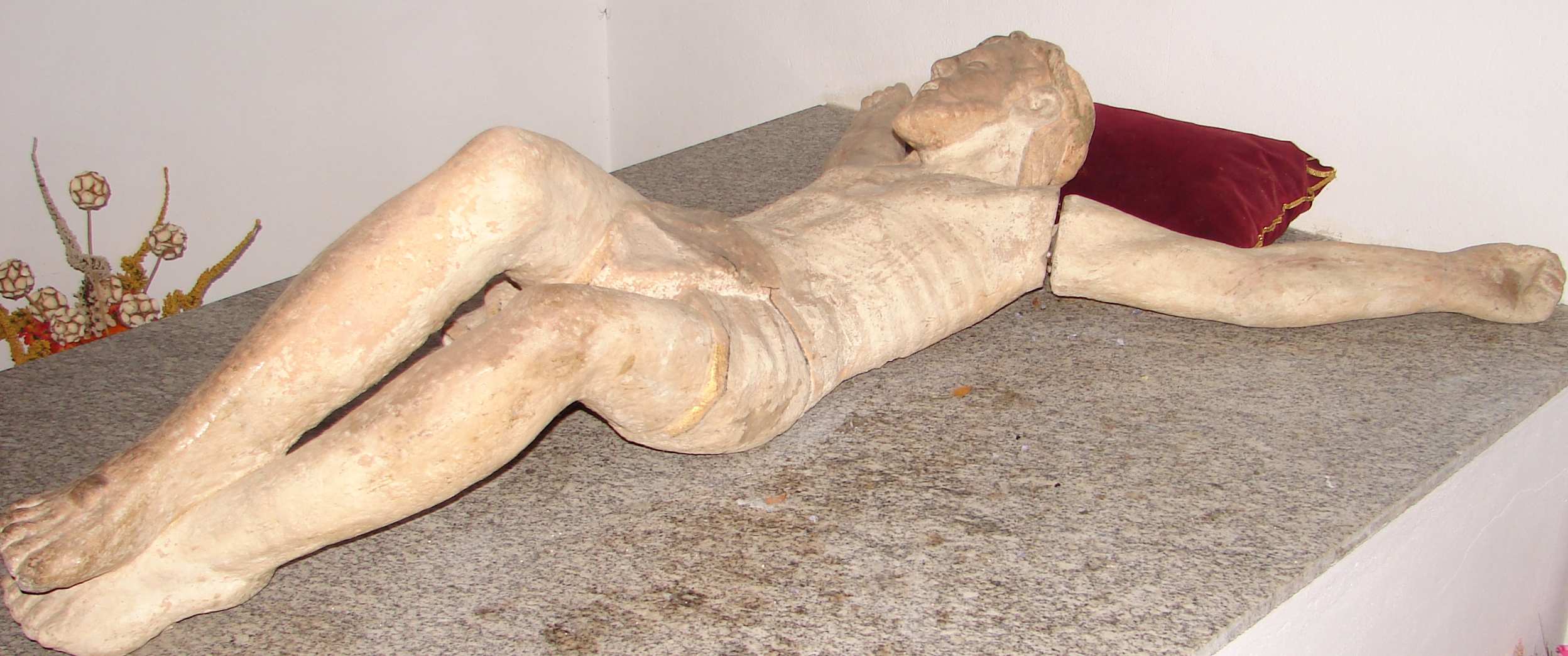
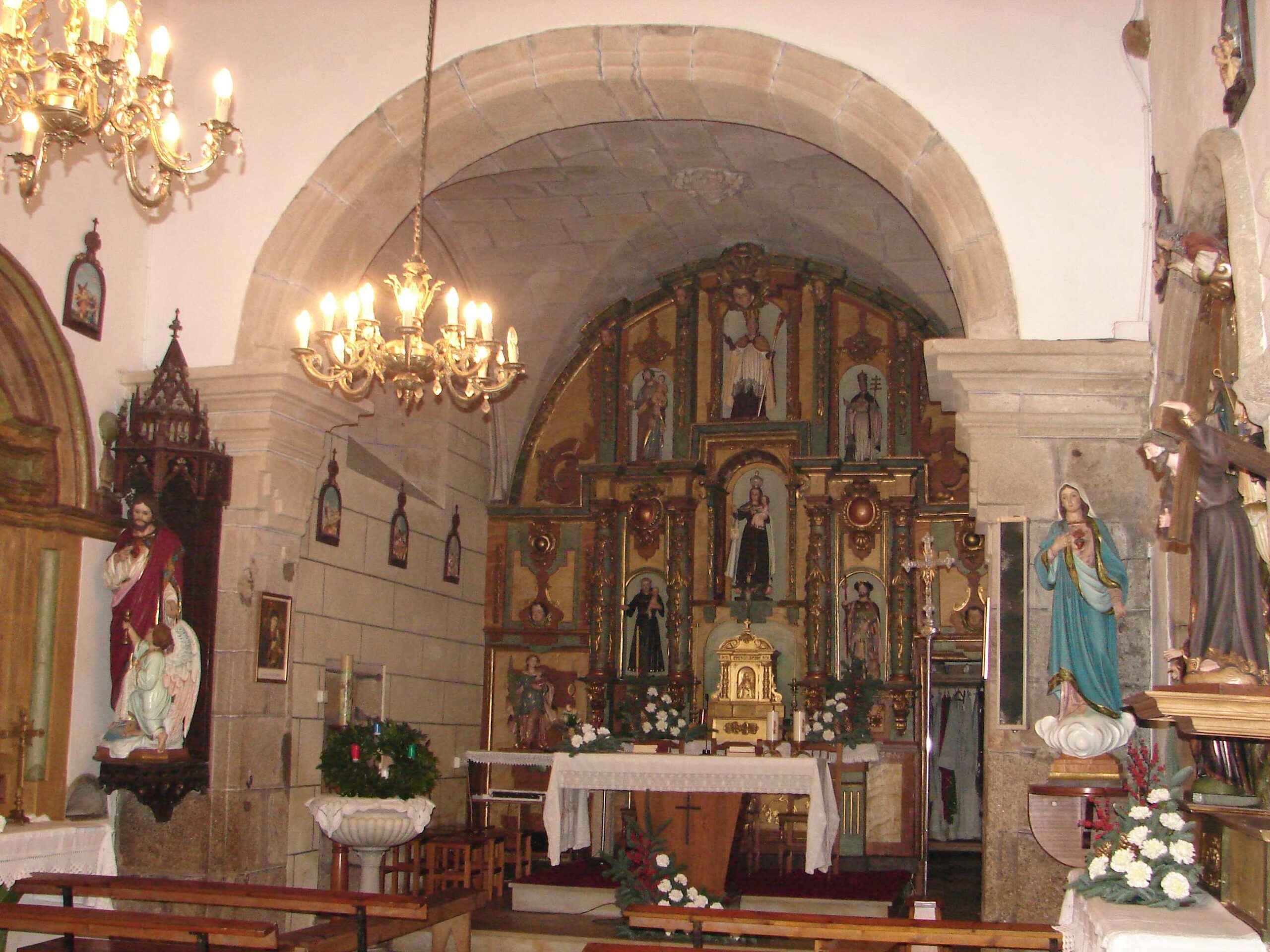
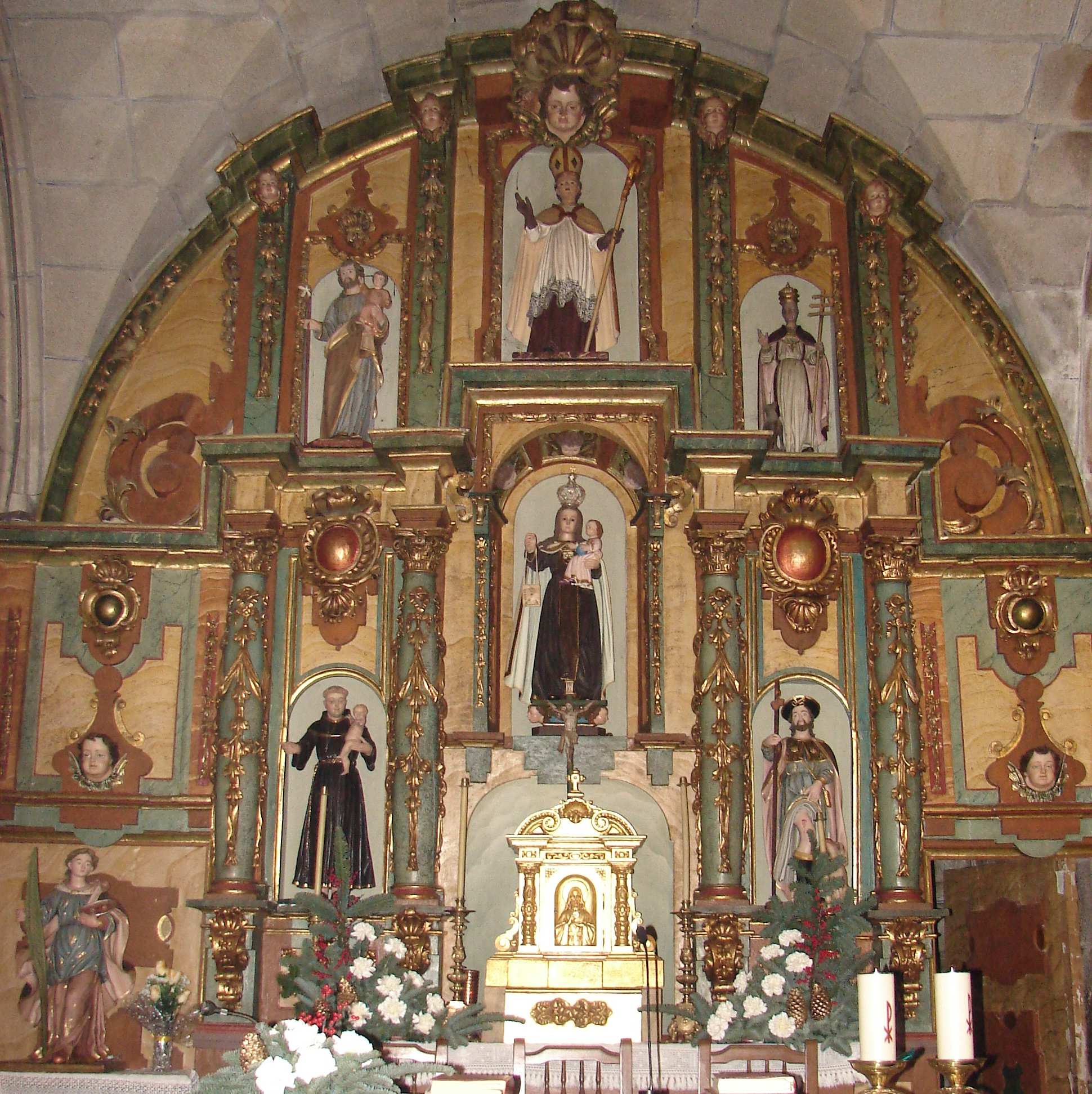
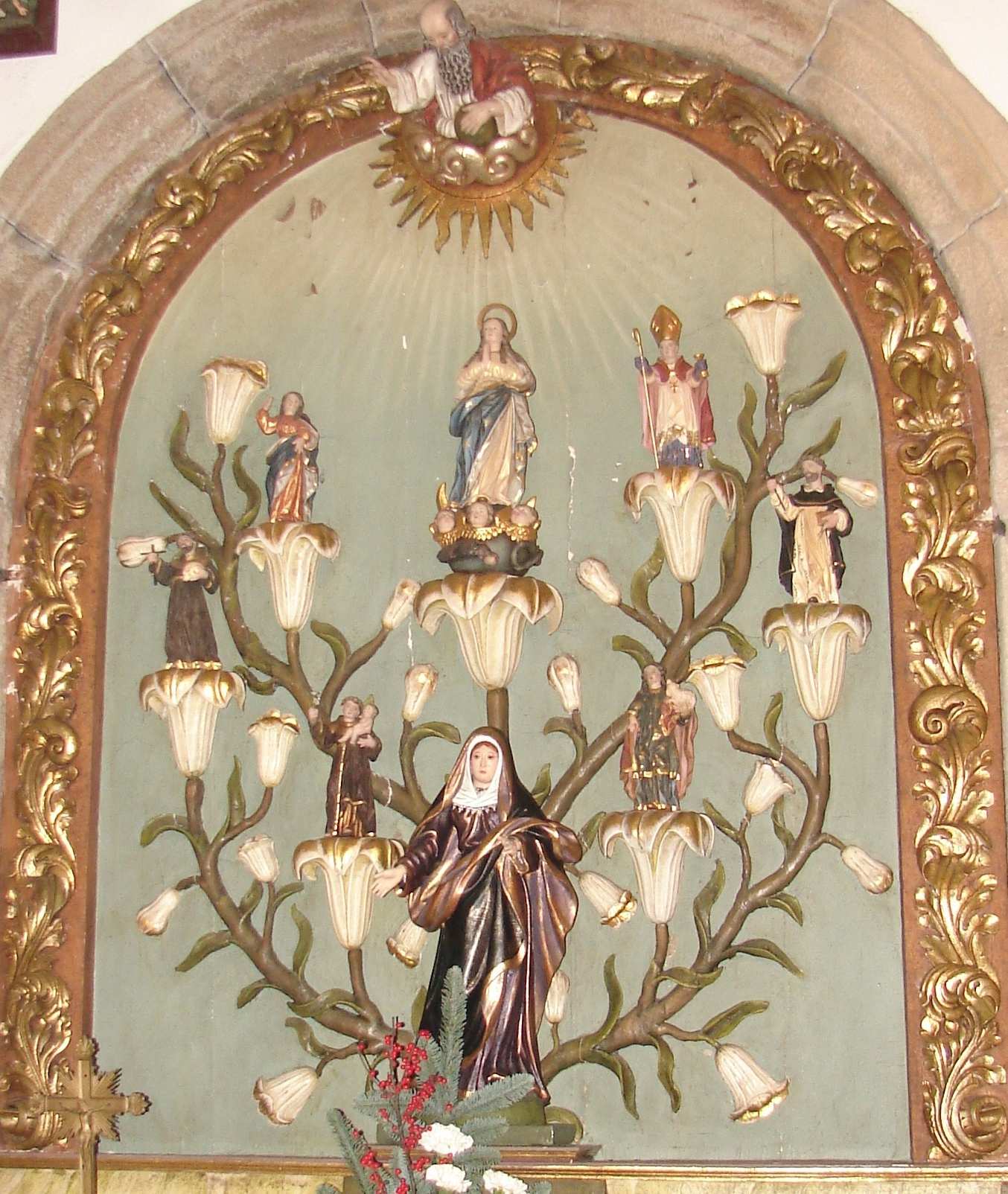
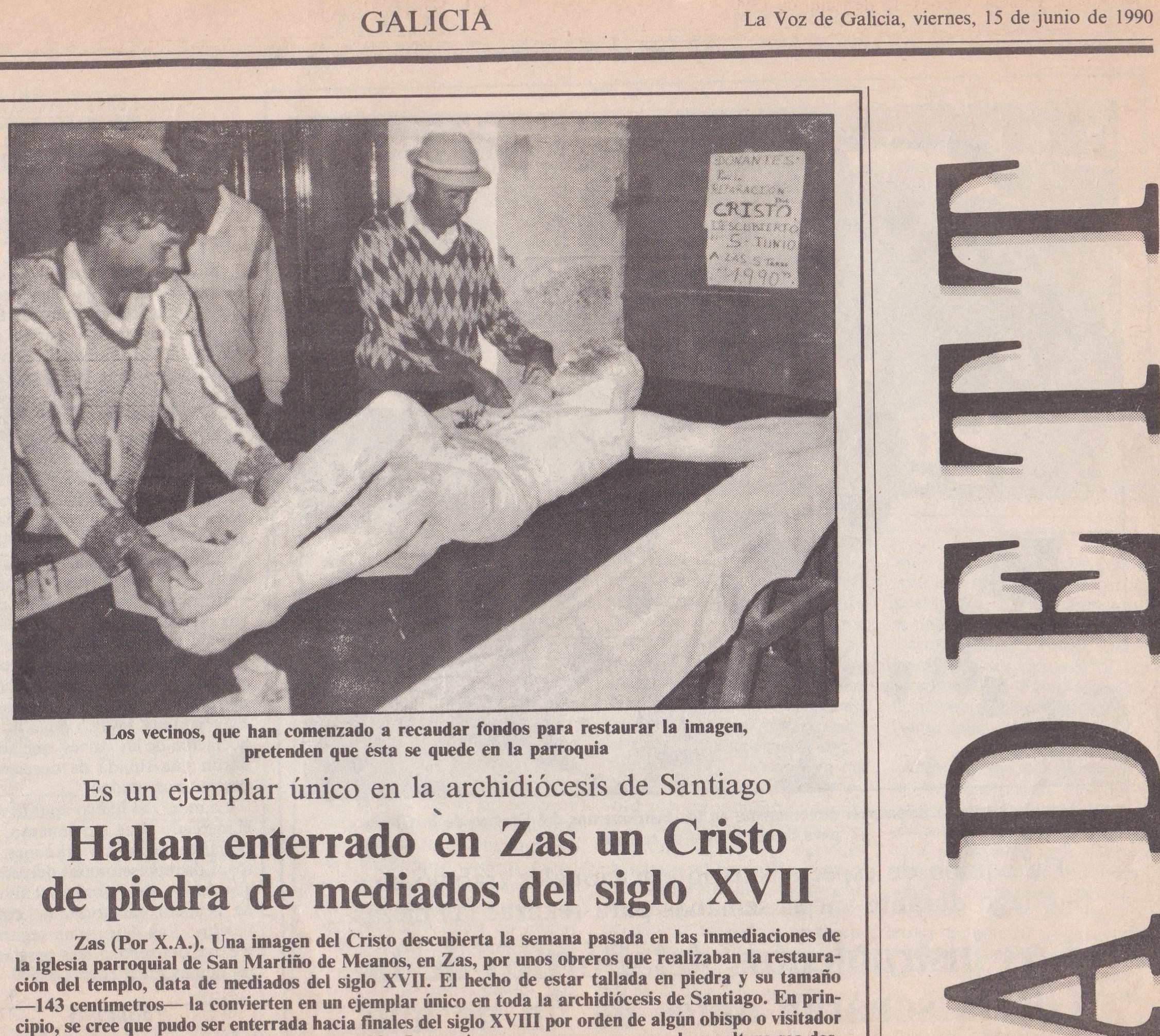
The parish church, whose forms correspond to 18th-century Baroque architecture, stands in the centre of the parish and is striking for its fully ashlar-stone façade, its chancel and its Baroque–Rococo altarpiece. On the outside, during restoration works carried out in 1990, a gigantic Holy Christ was discovered that had been buried —possibly when it was withdrawn from worship— under the floor of one of the buildings attached to the church, most likely on the occasion of alterations made to the church in the final years of the 18th century. It is a stone image 1.43 m high, showing Christ crucified with three nails on a cross that has not survived.
We consider that this figure was sculpted in the mid-17th century and can be placed within the Baroque style, although very marked features of the earlier style can still be seen in it. It is a unique piece in the Terra de Soneira area, standing out above all for its size.
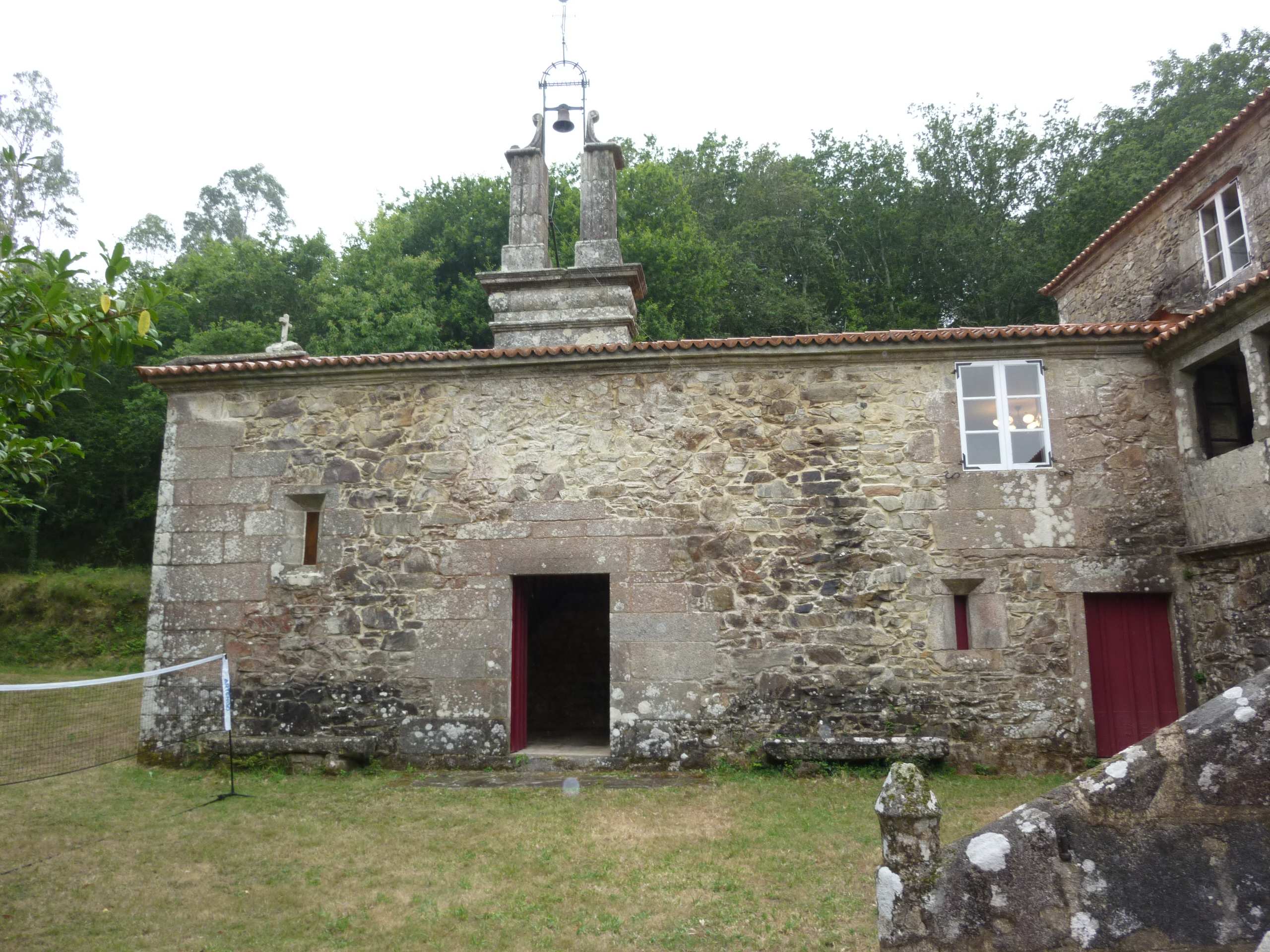
The discovery was welcomed with great joy and affection by the residents of Meanos, who embraced it as something belonging to the parish itself, setting aside for its worship the very place where it was found (a small outbuilding) and even creating a popular festivity in its honour, held on the Sunday following 5 June.
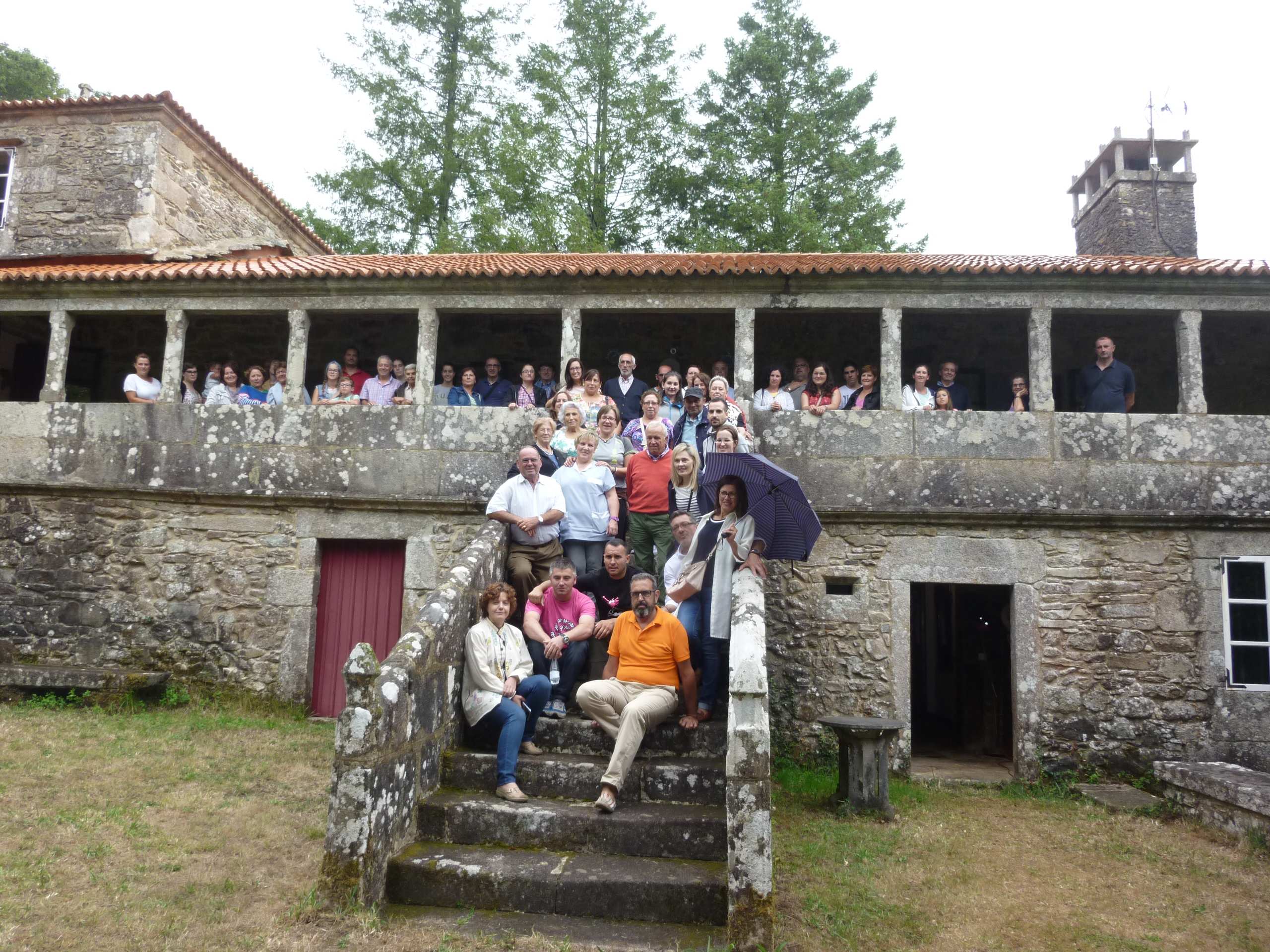
Special mention should also be made of the estate and manor house (pazo) of As Edreiras, where the noble family names Bermúdez and Leis came together. It has an apparent “L”-shaped ground plan and, inside, the kitchen with its open hearth (lareira) stands out, as well as the former grain loft, now converted into a sitting room.
One curious historical event in Meanos was the lawsuit prompted by maize brought from the Americas between two “innovative” neighbours and another 28 who felt harmed, a case described in an interesting 1684 document published by the Xallas-born historian B. Barreiro Mallón in his book La Jurisdicción de Xallas en el siglo XVIII (1978).
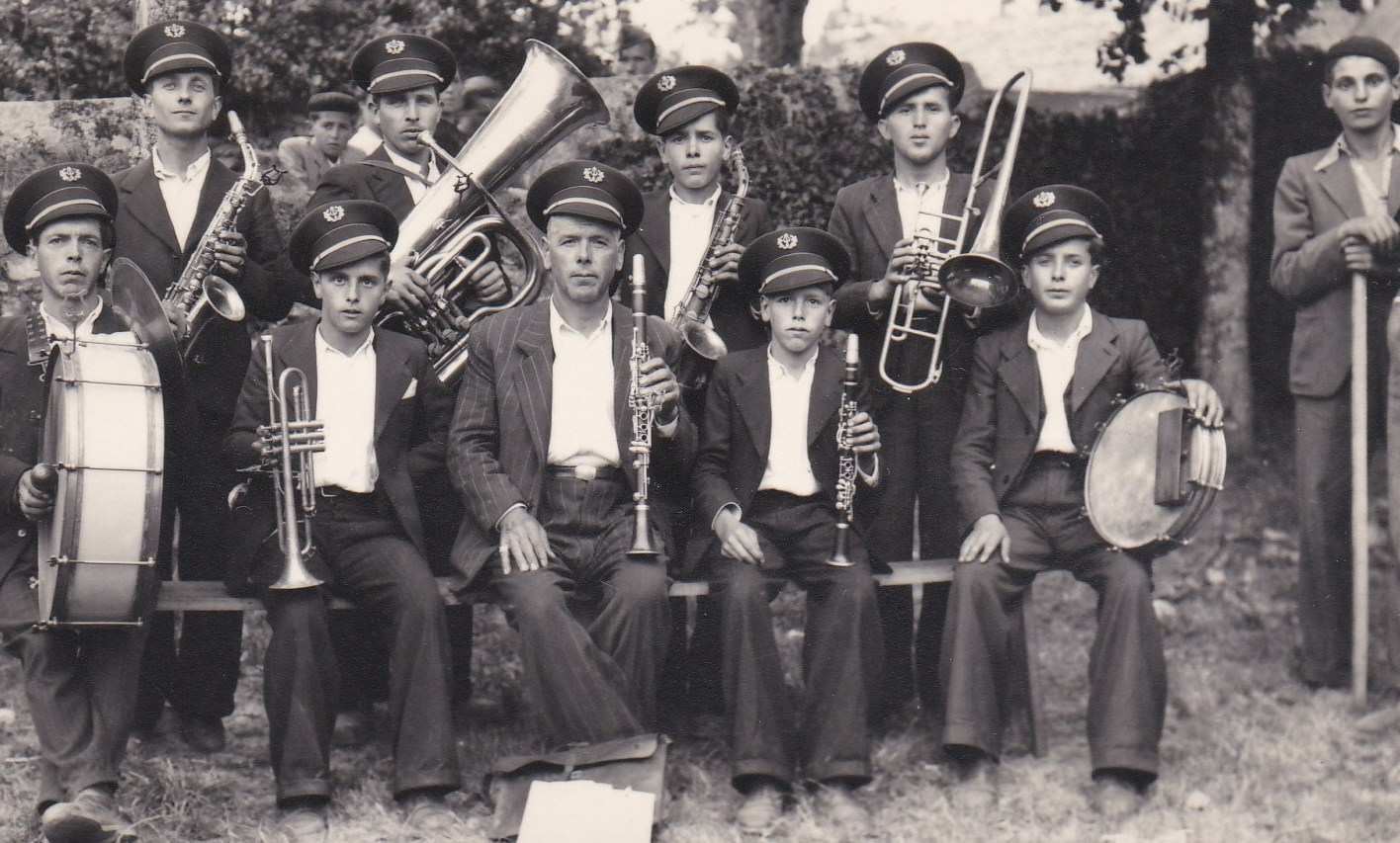
It is also worth remembering the popular music band that existed in Meanos (in the 1940s and 1950s), made up of residents of this parish and neighbouring ones, almost all of them farmers by trade, which enlivened many local festivities in the surrounding area.