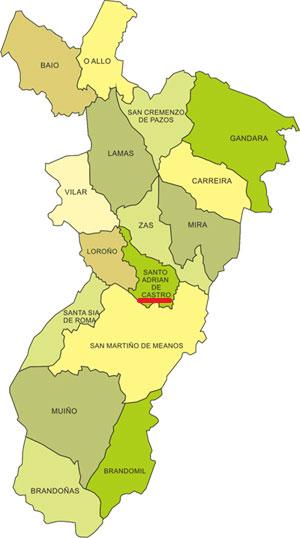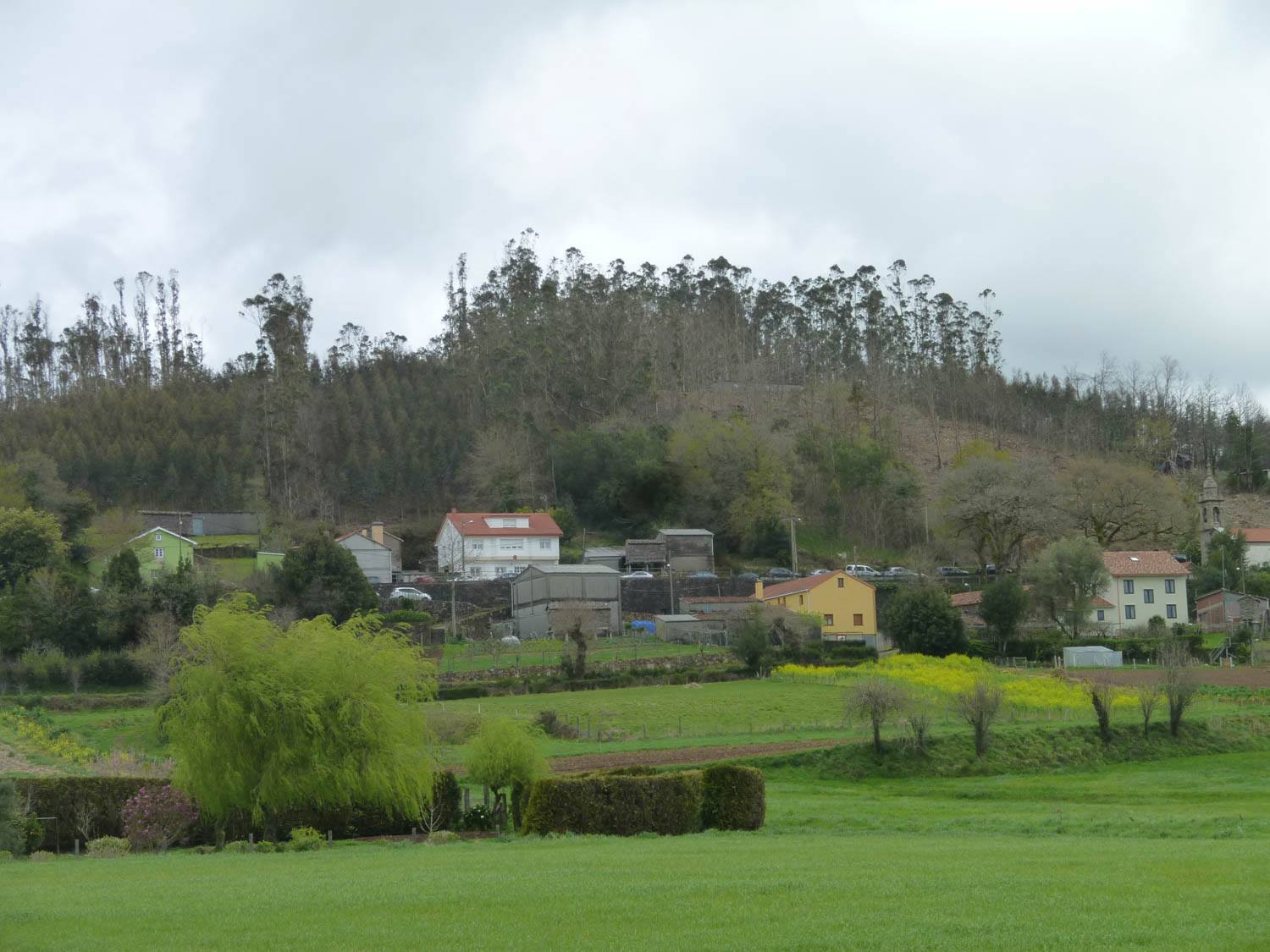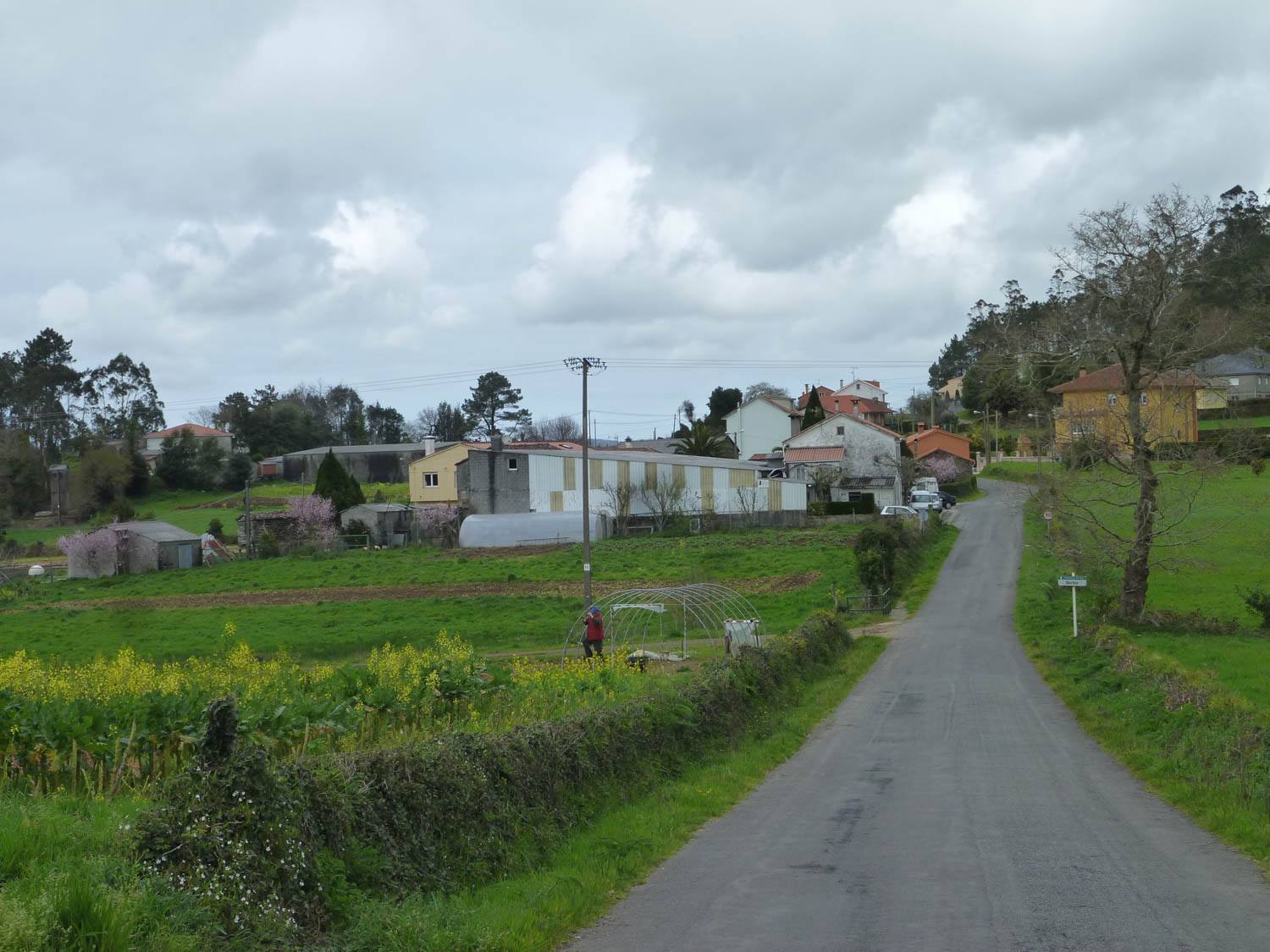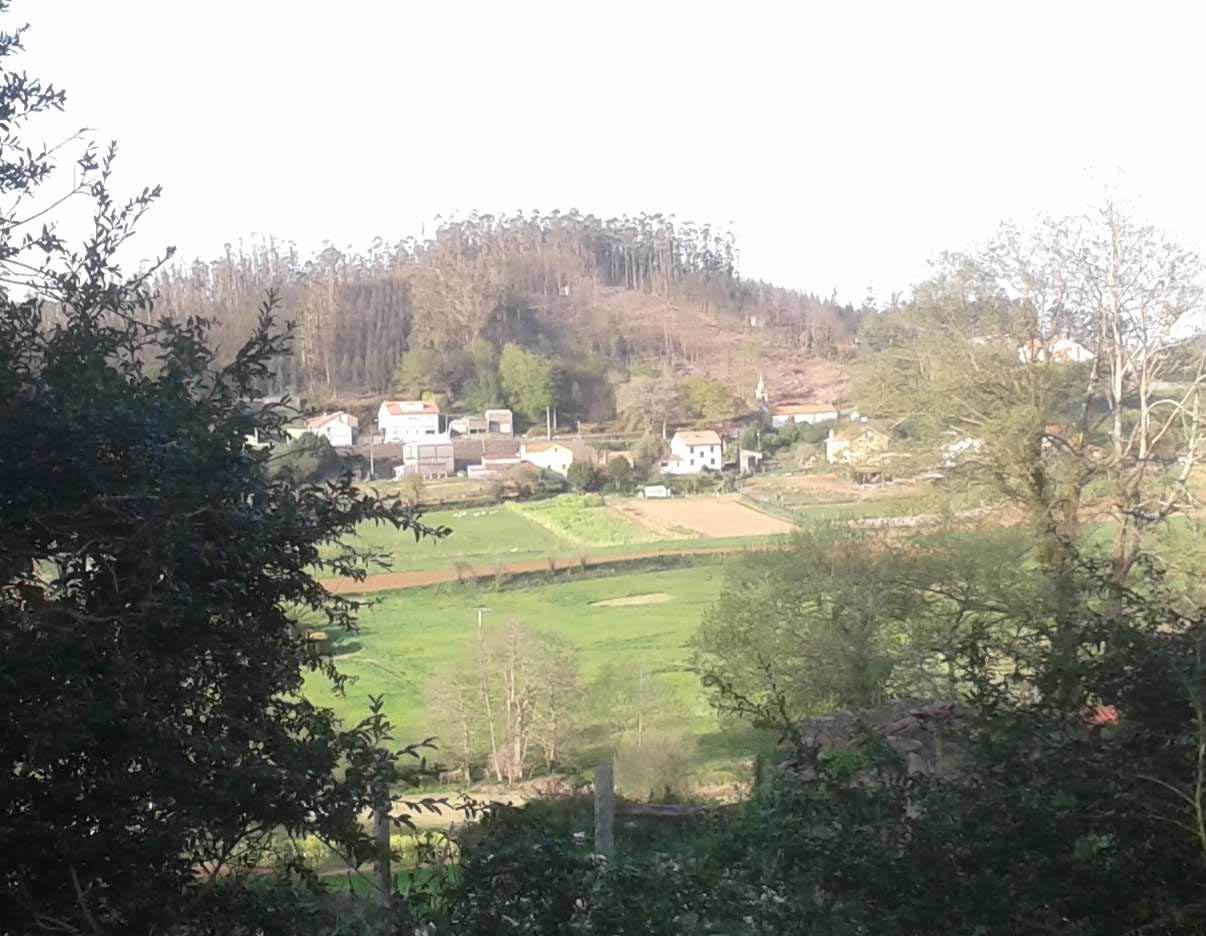
The parish of Santo Adrián de Castro (full name used to designate the parish) covers around 4.6 km2 and is made up of the villages or hamlets of Santo Adrián, Berbia, Caberte, A Devesa and Rial de Abaixo.
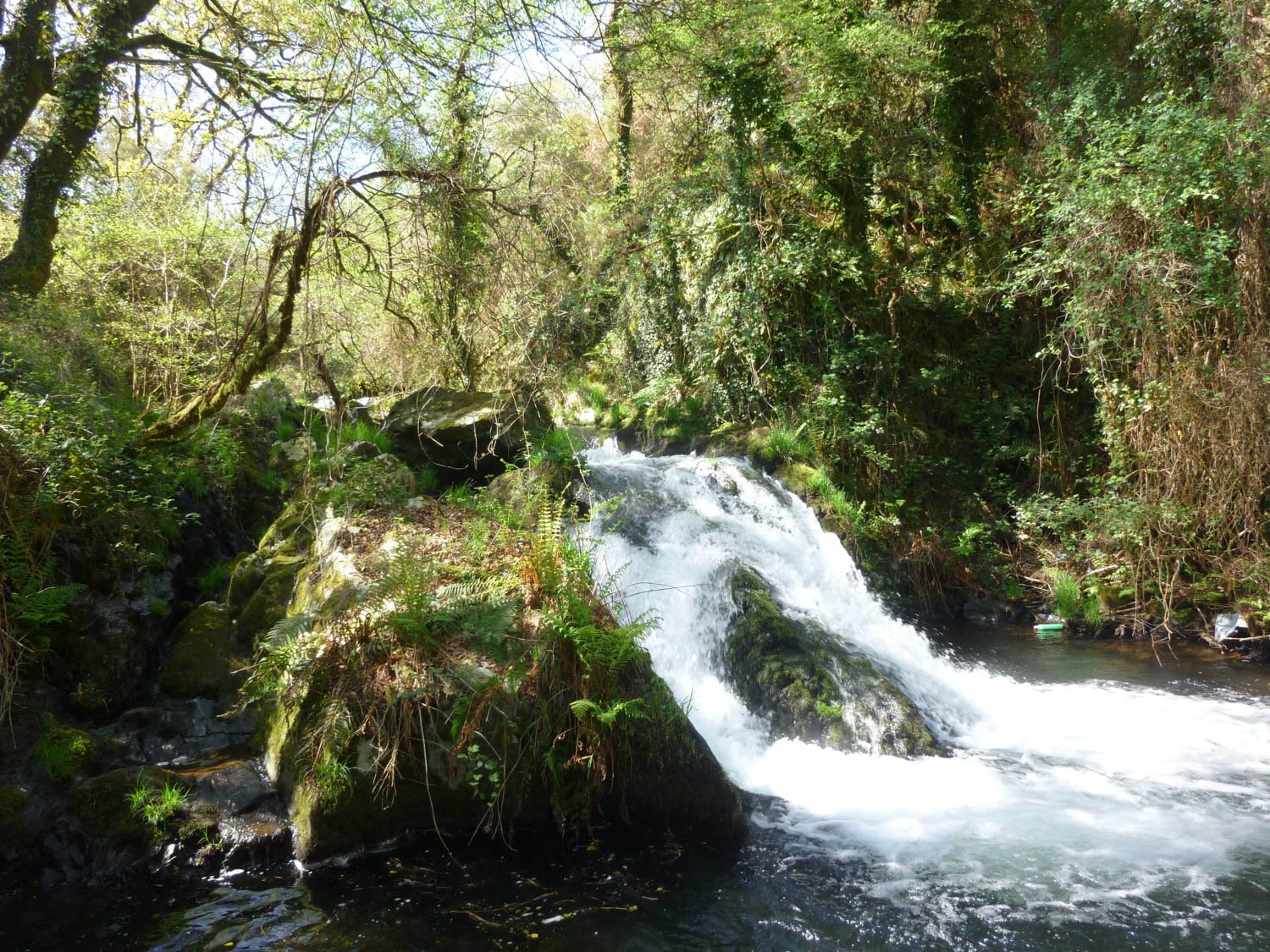
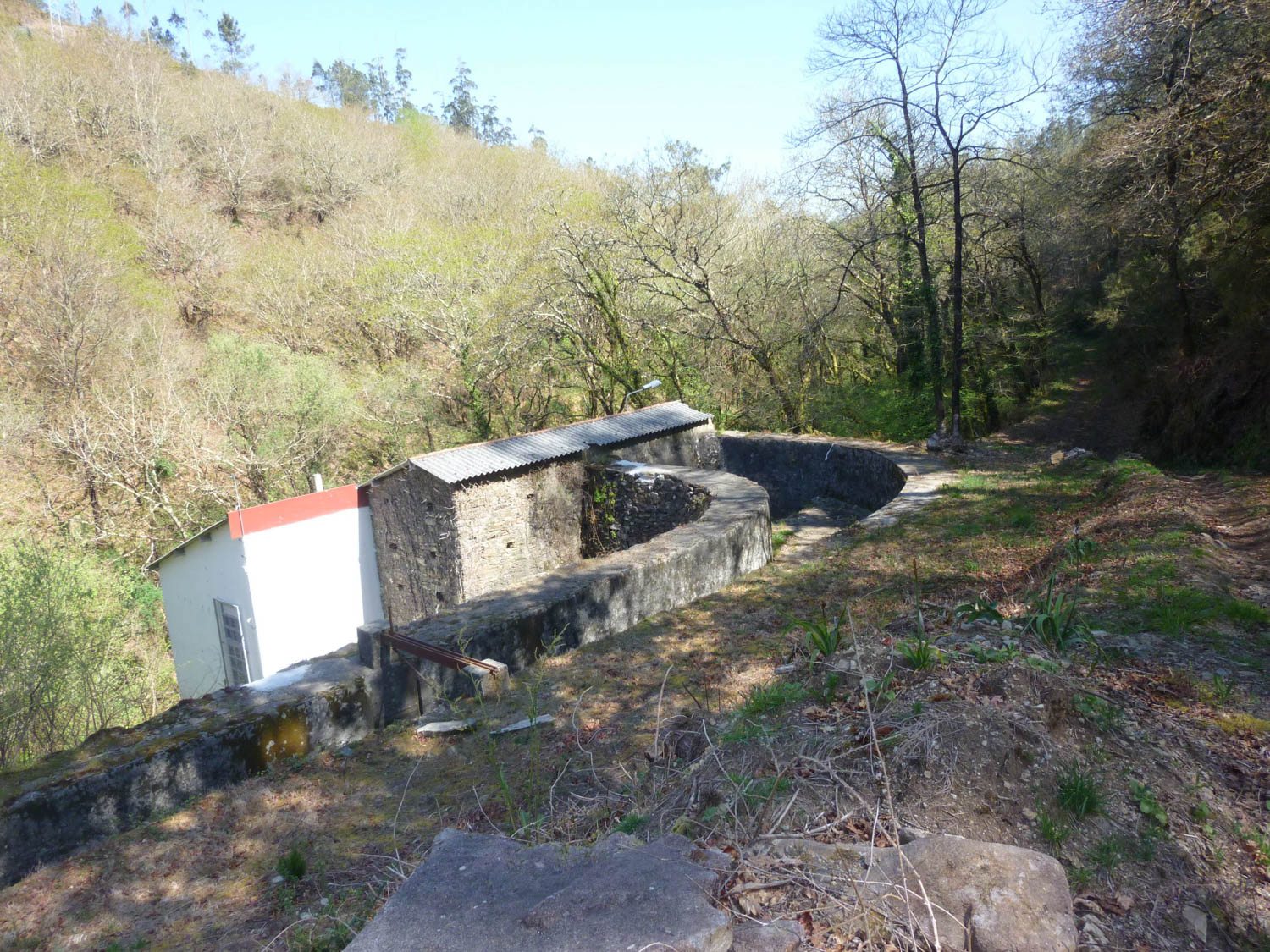
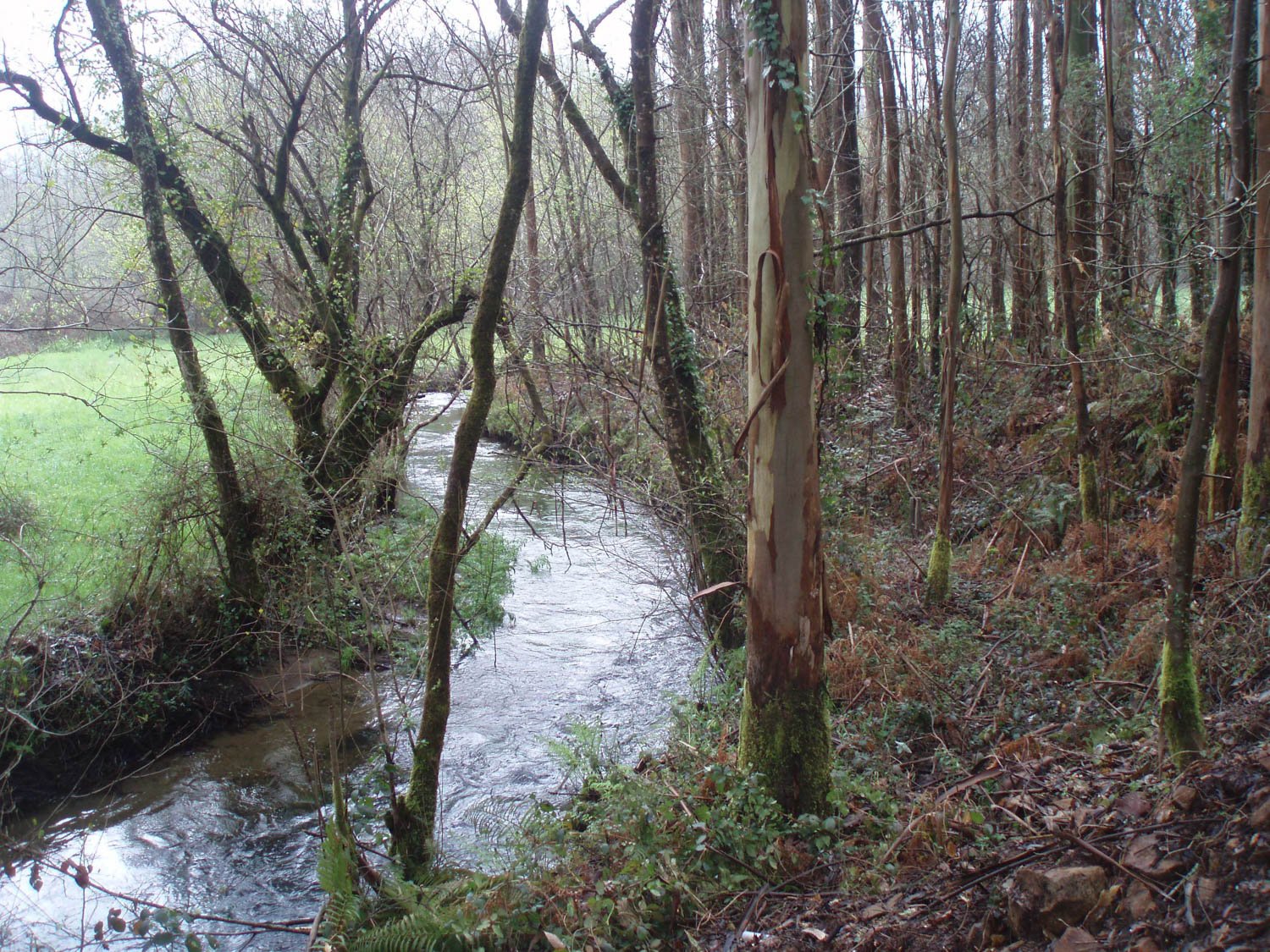
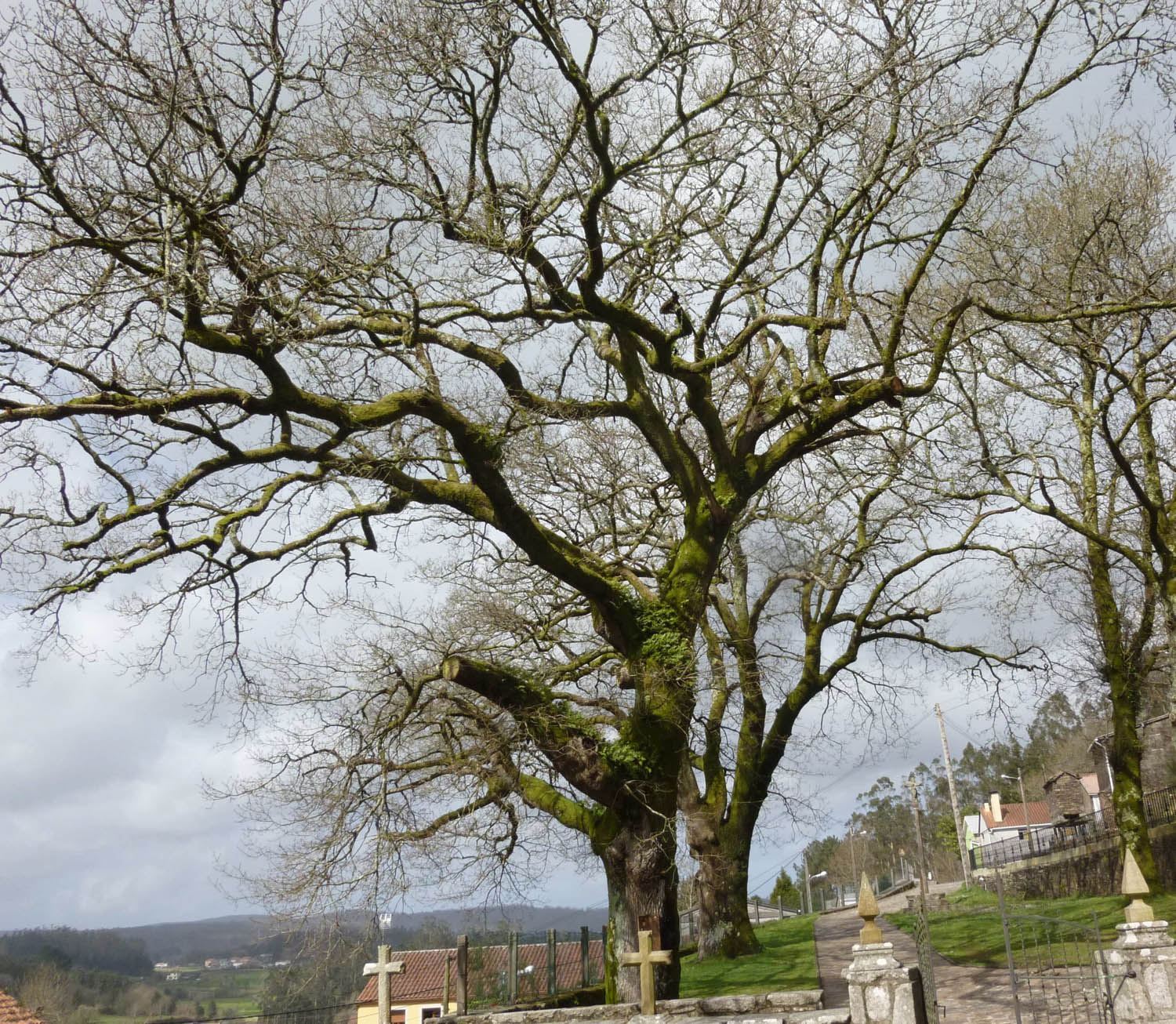
Its territory is dominated by Monte do Castro, which rises to 317 m in altitude, beside which the Festa da Carballeira de Zas is held, a folk festival known throughout Galicia. On this hill there are still remains of one of the most important Iron Age hillforts in the municipality of Zas and, at its foot, on the eastern side, flows the río de Meanos, which some people call Troitín and which, from this point on, is known as the río de Zas. This river rises near the village of Churía and, despite its modest flow but with good gradients, it was used to install a small hydroelectric plant that for some time, many years ago, supplied electricity to the village of Zas and its surroundings; it was known as the Presa de Enrique.
Almost the entire parish forms a transition zone between the higher lands of the parishes in the south of the municipality, an extension of the Xallas plateau, and the boundaries with the lower and flatter lands of the Val de Soneira, mainly watered by the rivers Zas and Sisto.
As for its demographic evolution, the parish had, for example, 20 households in 1607 and 315 inhabitants in 1970. From that year onwards there is a sharp turning point and the number of inhabitants begins to fall rapidly. This trend has continued and even intensified in the years so far this century. While at the beginning of the century it had 170 inhabitants, on 1 January 2016 it had only 136 (20 % fewer than 16 years earlier).
Regarding its place names, Santo Adrián is the name of the village where the parish church stands; it is one of the four hagiotoponyms (“place names derived from the cult of a saint”) in the municipality of Zas. Berbia is possibly of pre-Roman origin. Caberte may be an altered form of Casberte < Casa Berti (Berti would be the genitive of the Germanic name Bertus). A Devesa comes from the Latin defensa; in Galicia, the purpose of the devesas was to produce timber for various uses. Rial comes from a medieval Latin word, regale, derived in turn from the Latin verb rigare ‘to irrigate’ (the name is probably due to a watercourse used to irrigate the fields).
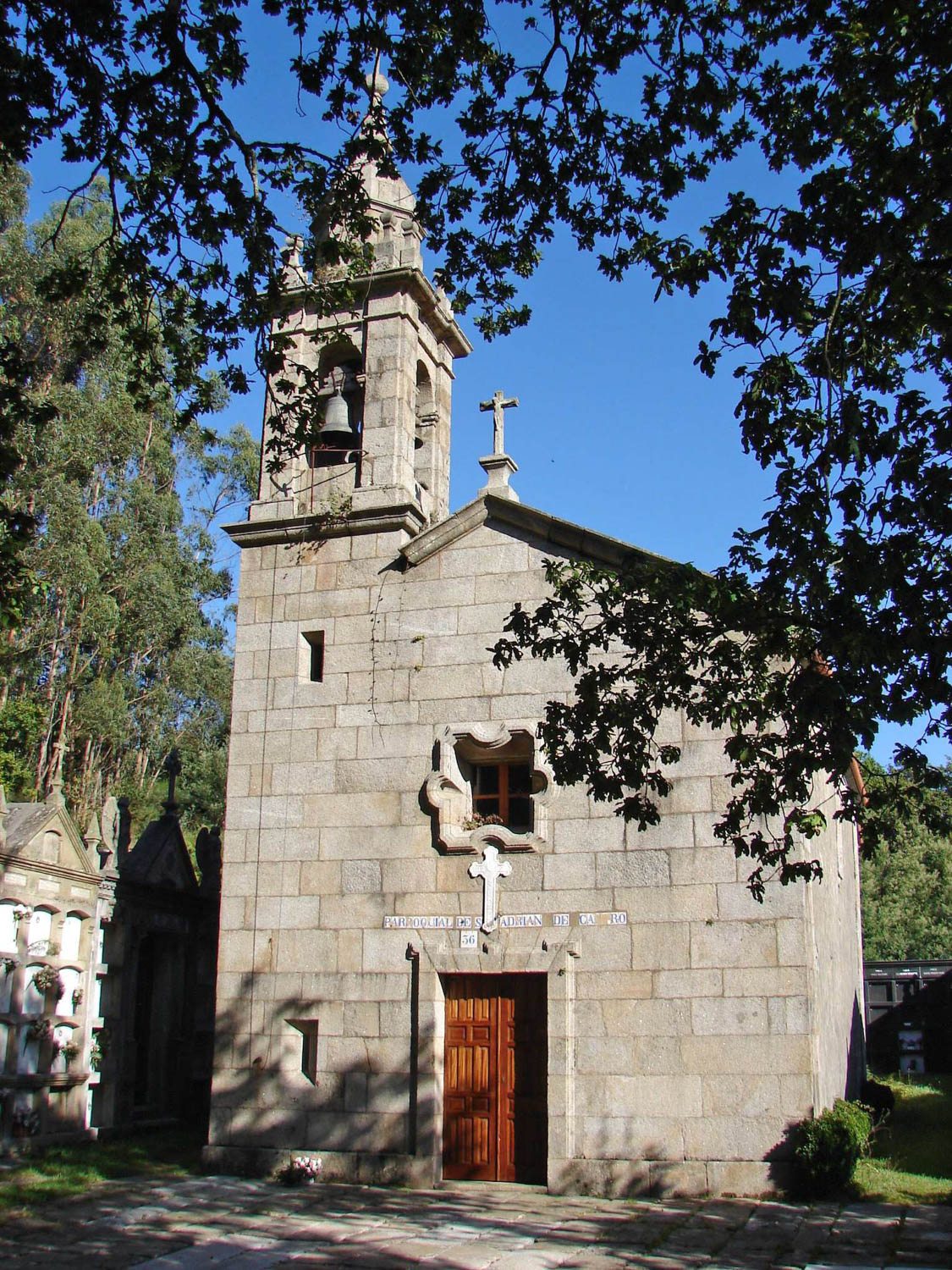
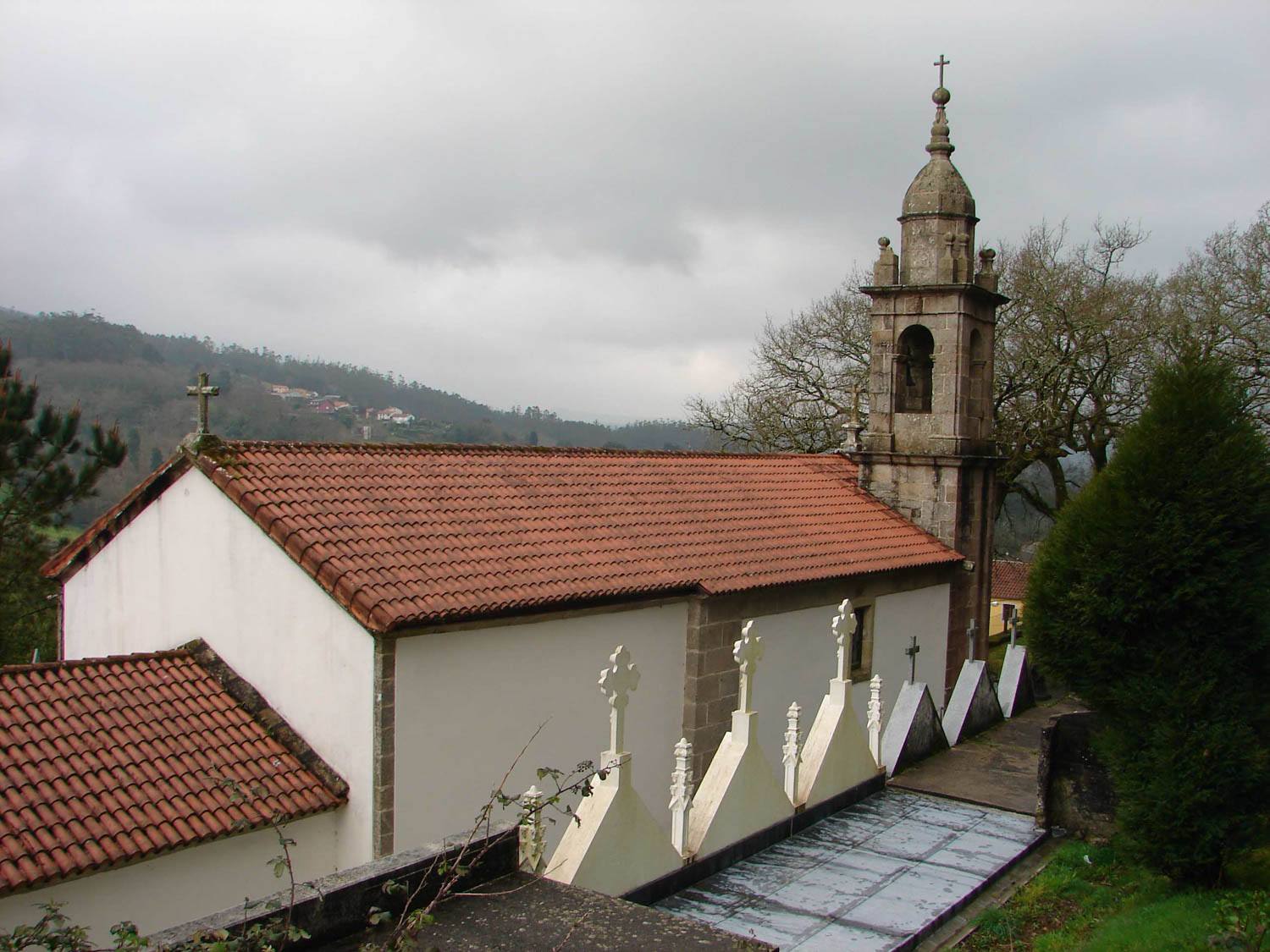
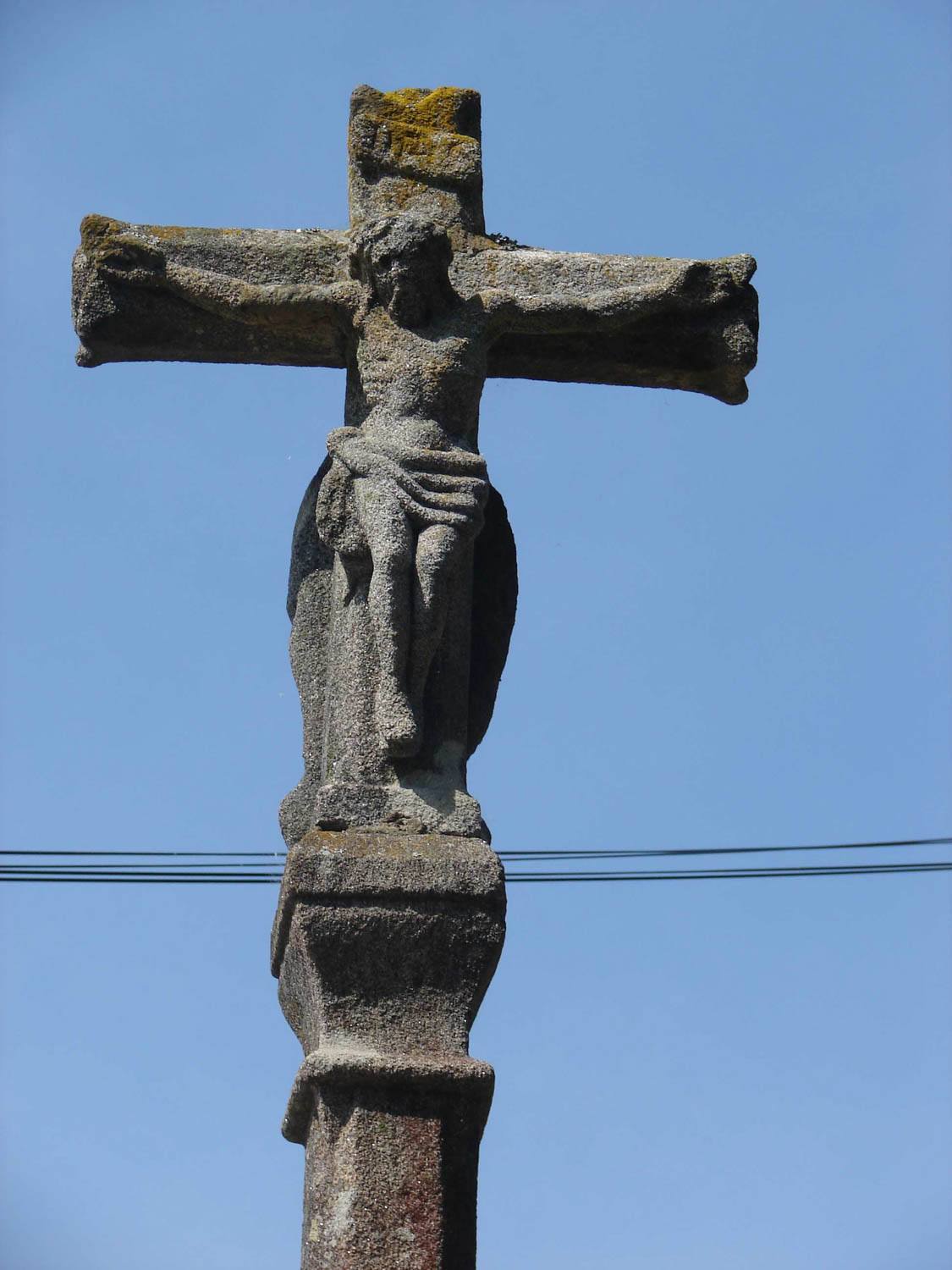
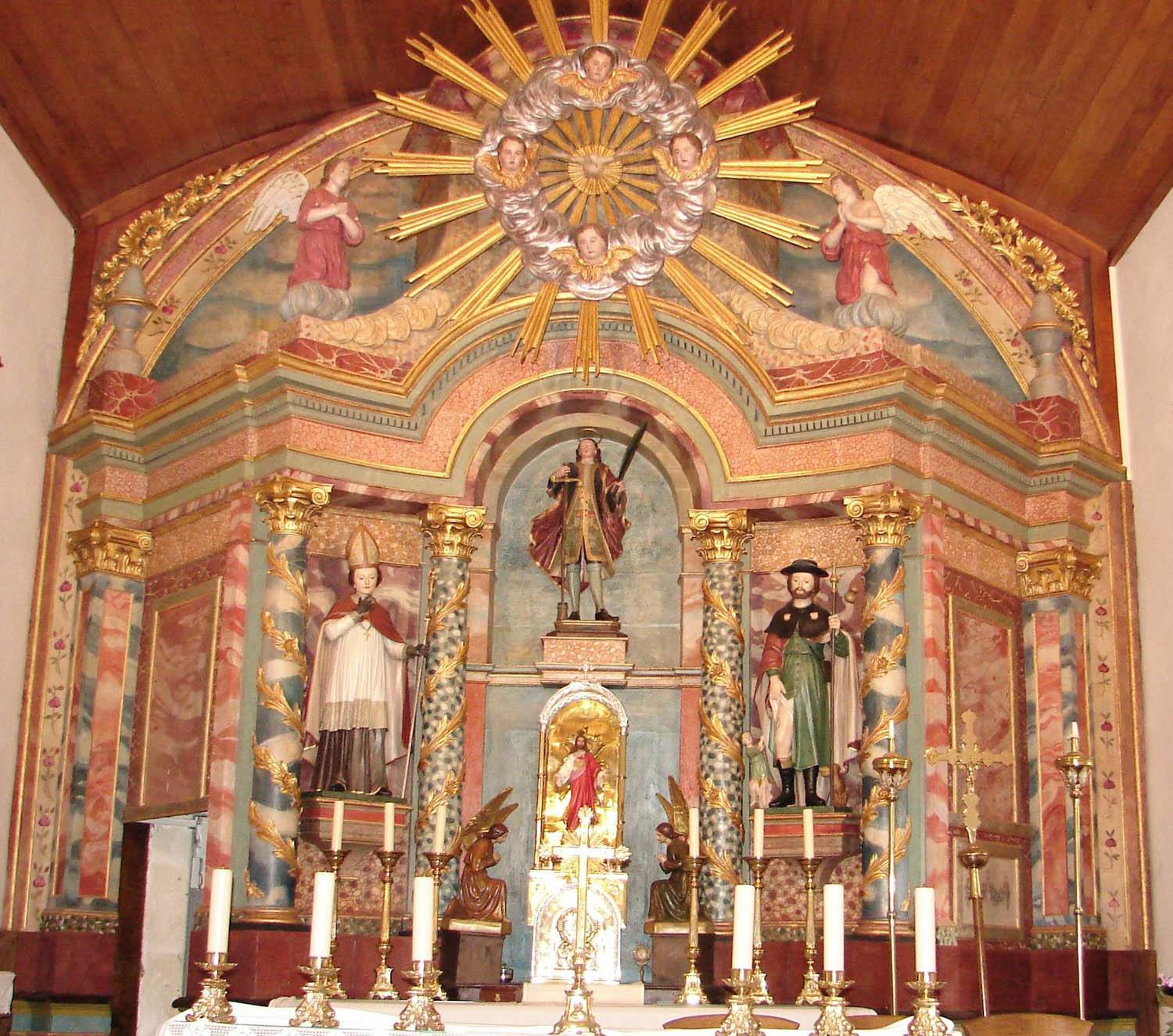
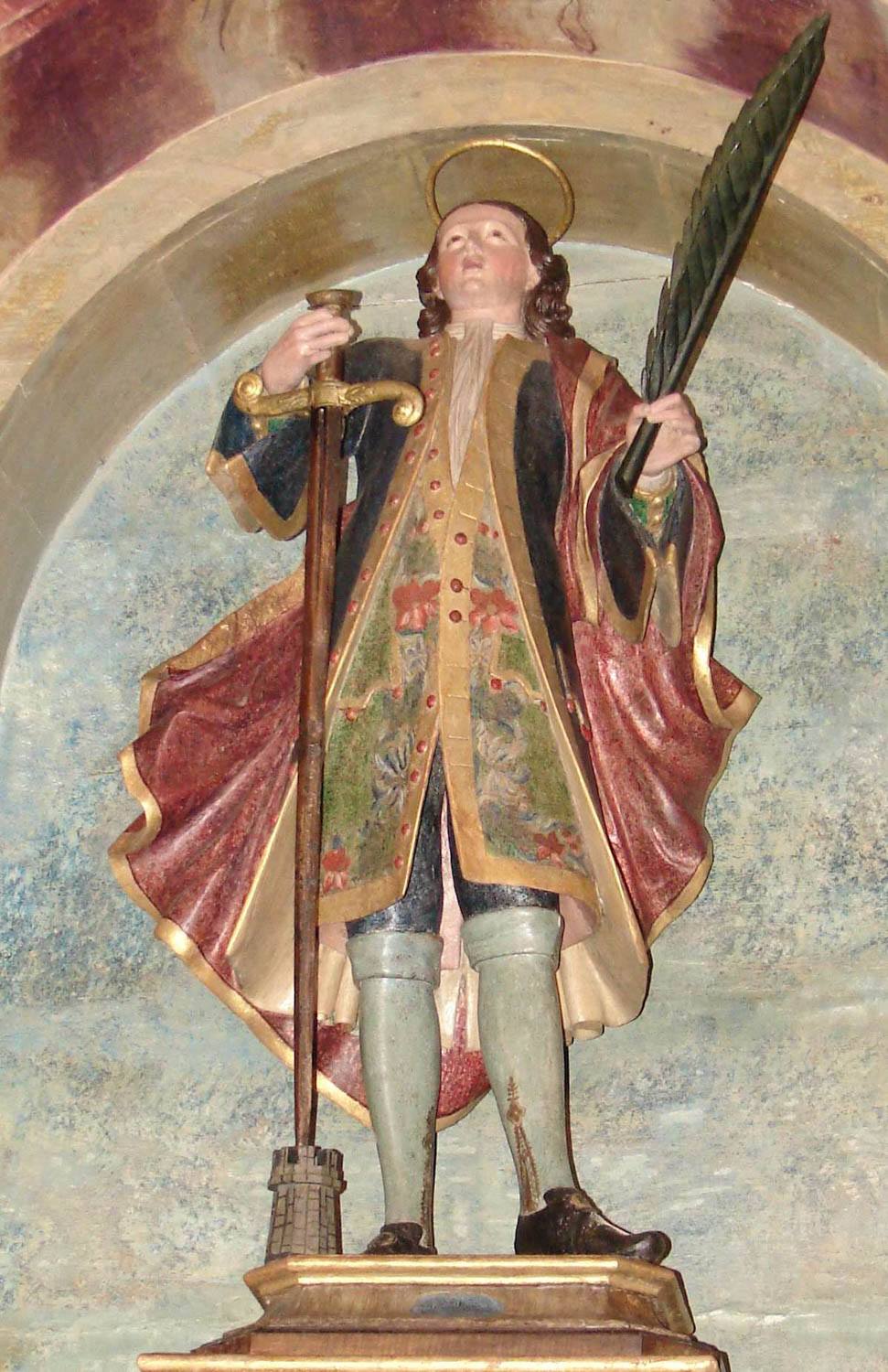
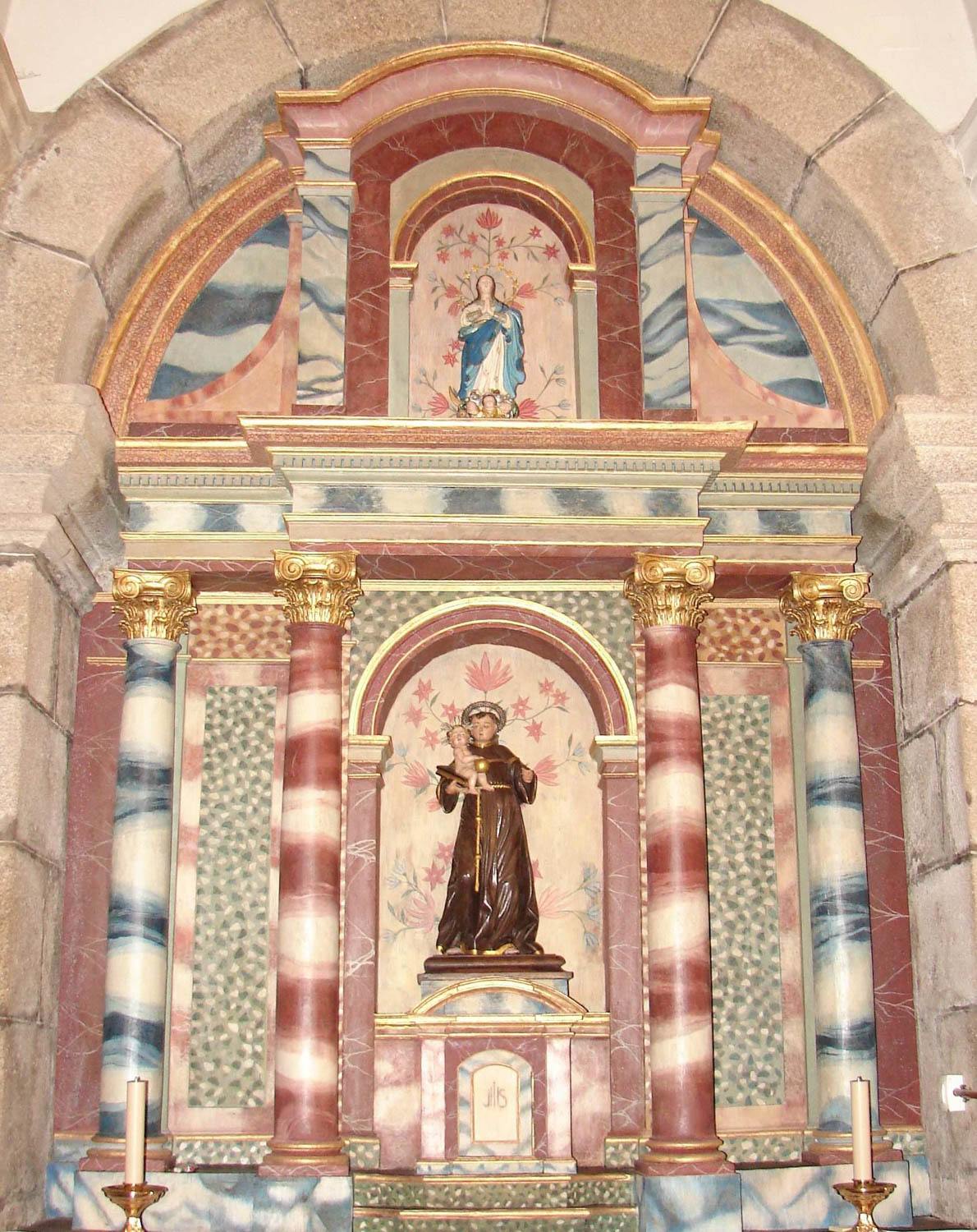
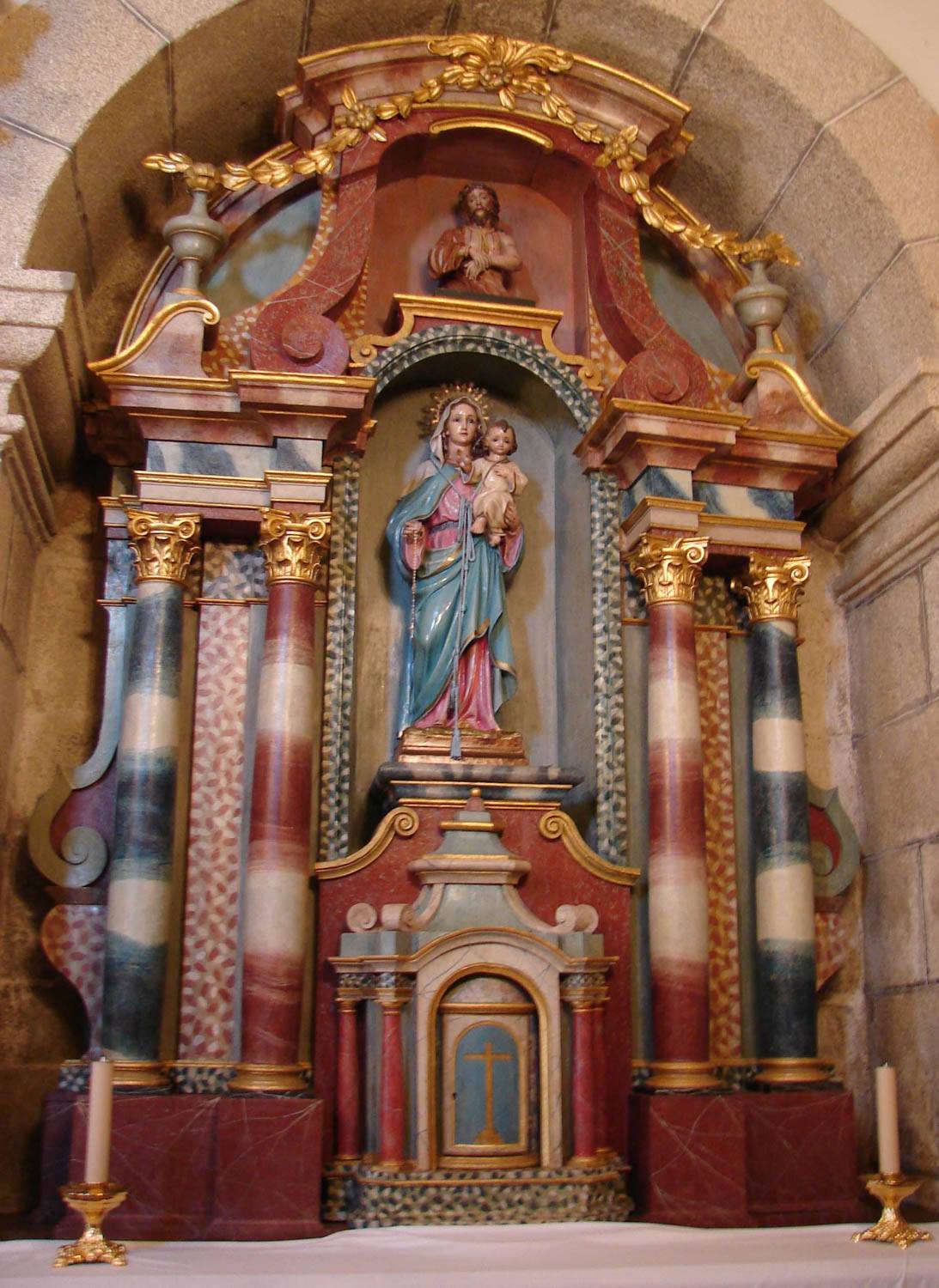
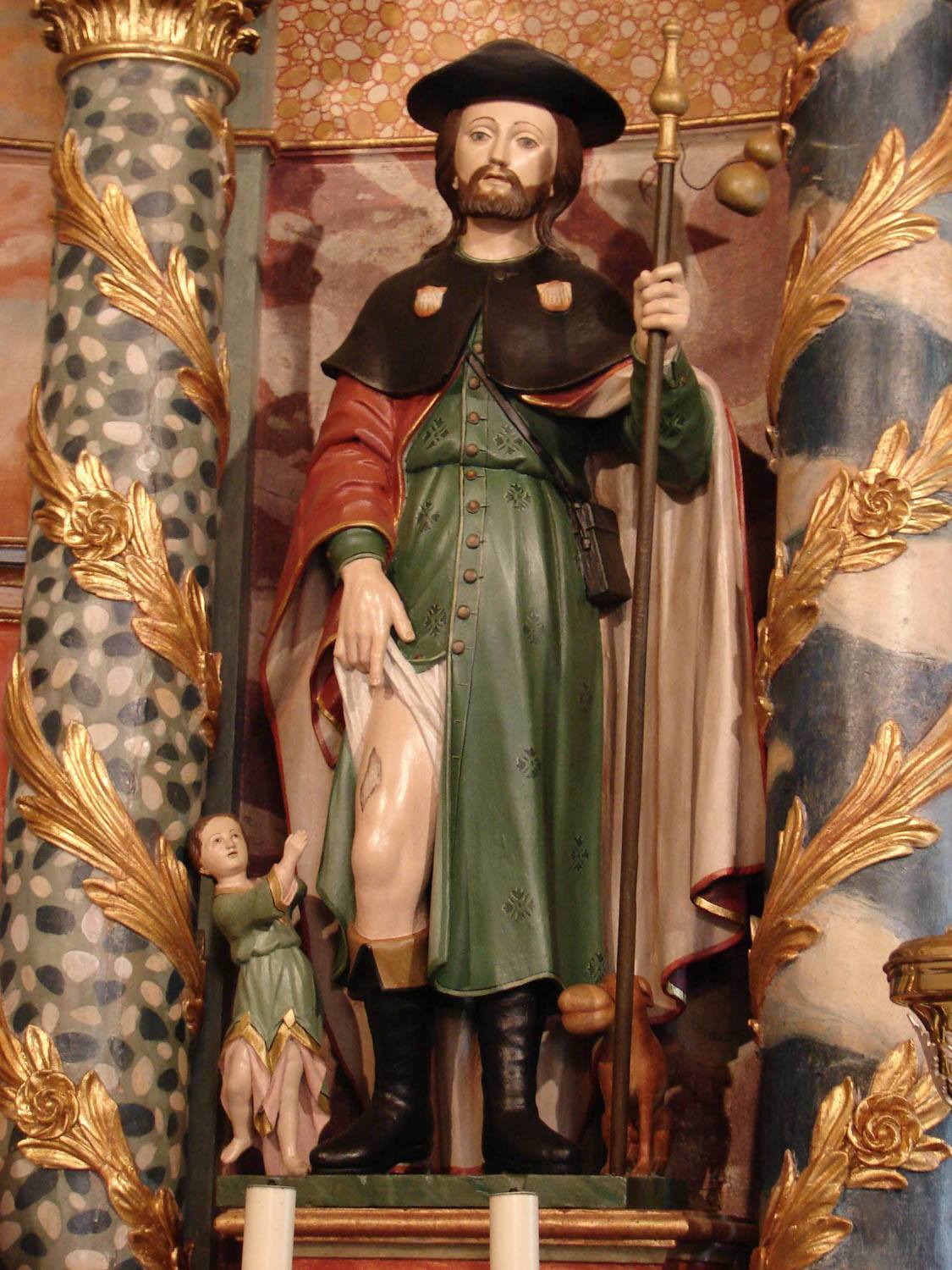
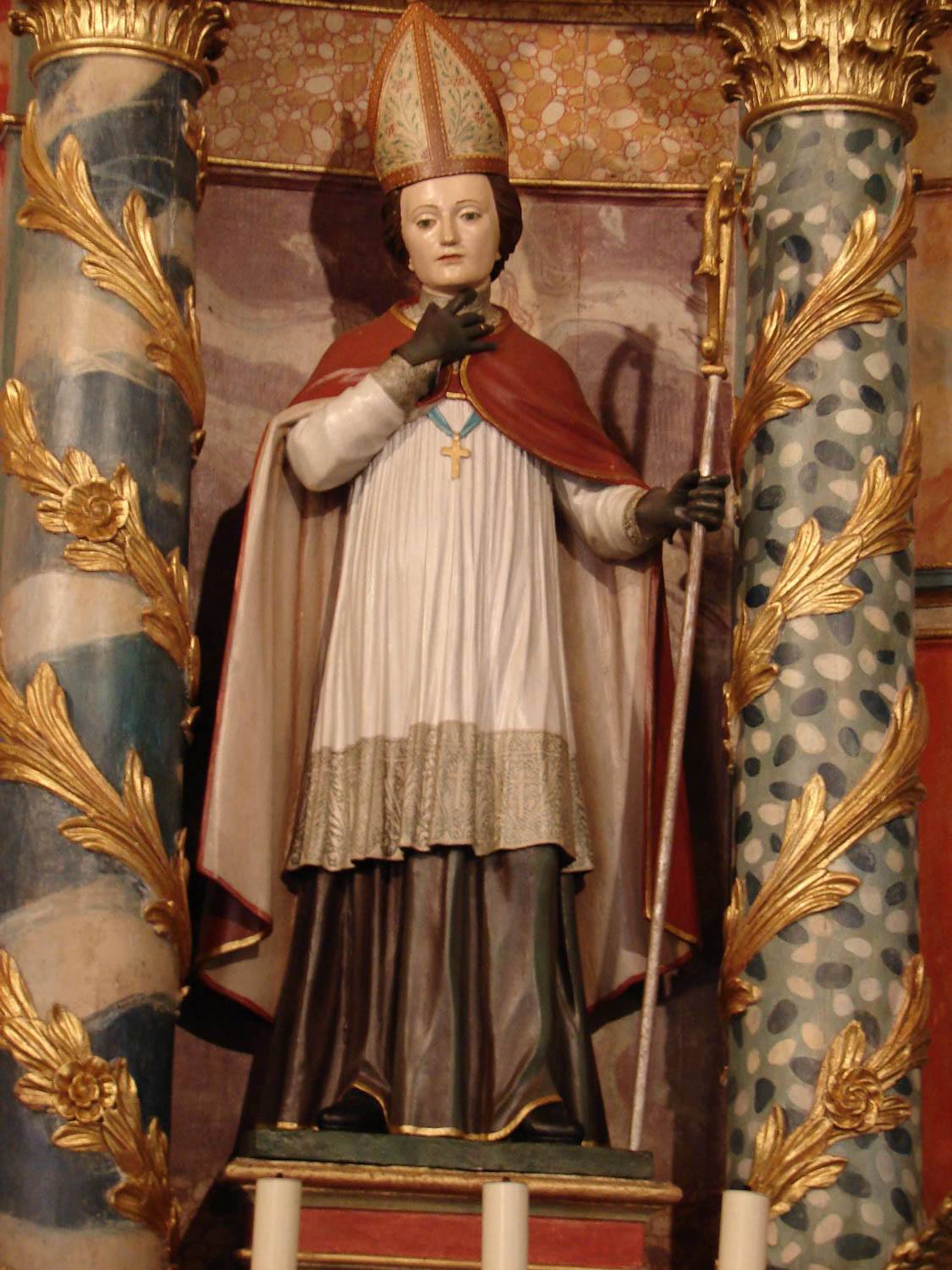
The parish church has a beautiful stone cross (cruceiro), probably from the late 18th century, which on the front shows a crucified Christ with three nails and very outstretched arms, and on the back, an Immaculate Virgin. The architectural features of the church correspond almost entirely to the Baroque style of the second half of the 18th century: both in the façade, with its lobed window, and in the beautiful bell tower –slightly off-centre, rising on the north side. The main altarpiece is of good artistic quality and features images of Saint Hadrian, Saint Blaise and Saint Roch; it follows the characteristics of the Neoclassical style and was made at the end of the 18th century. Its author was probably an important artist from Santiago. In addition, there are two other altarpieces, that of Our Lady of the Rosary and that of Saint Anthony, and we should not forget the parish cross, dating from the second half of the 16th century and very likely the work of Jorge Cedeira o Mozo, an important silversmith from Santiago de Compostela.