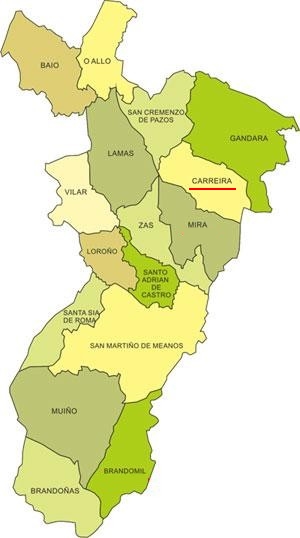
Located in the northern third of the concello along its eastern edge, it borders Santa Sabiña (Santa Comba) to the SE, Gándara to the N and NE, San Cremenzo to the NW, Lamas to the W and Mira to the S. It only touches Zas at a single point: A Pedra dos Cregos.
During the Ancien Regime it belonged to the domain of the Count of Altamira and was also under the royal jurisdiction of Soneira.
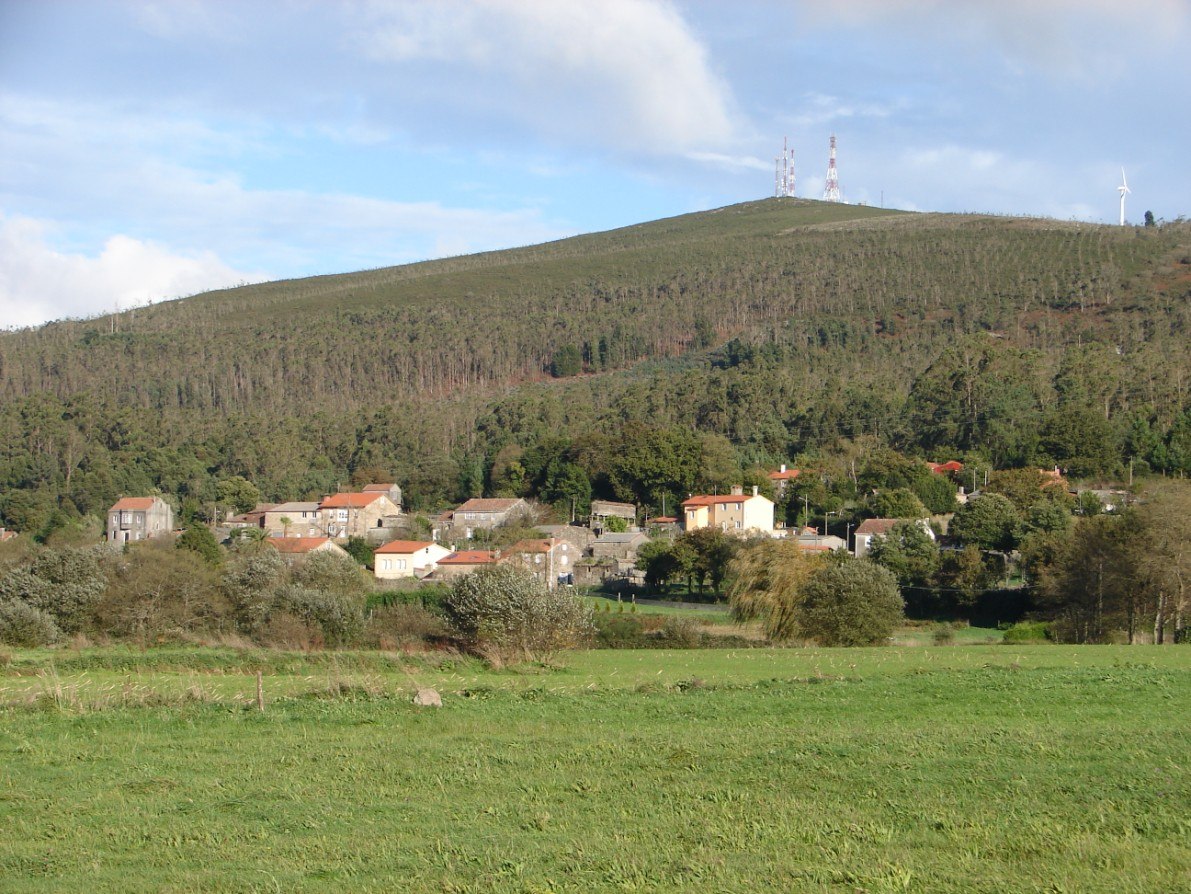
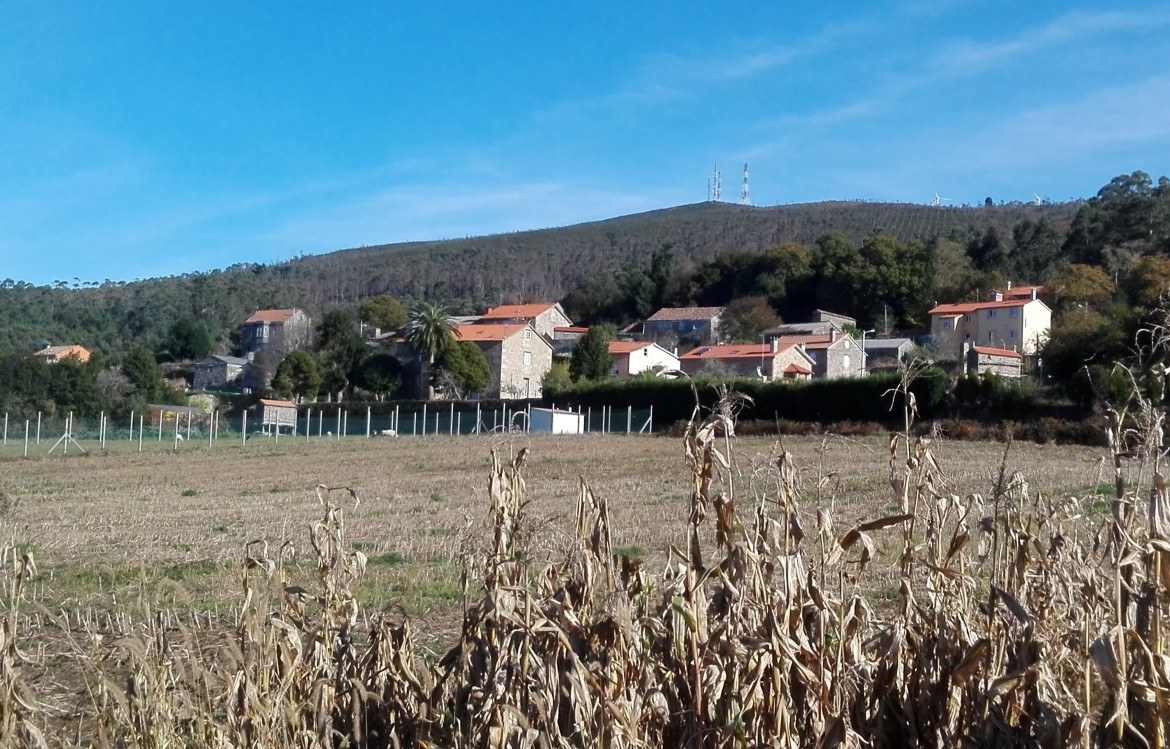
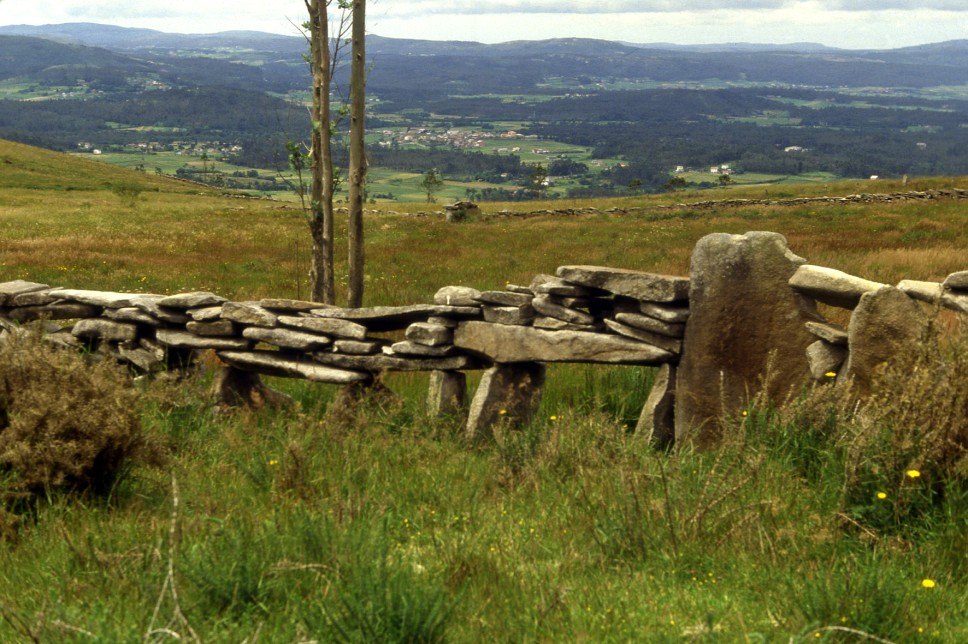
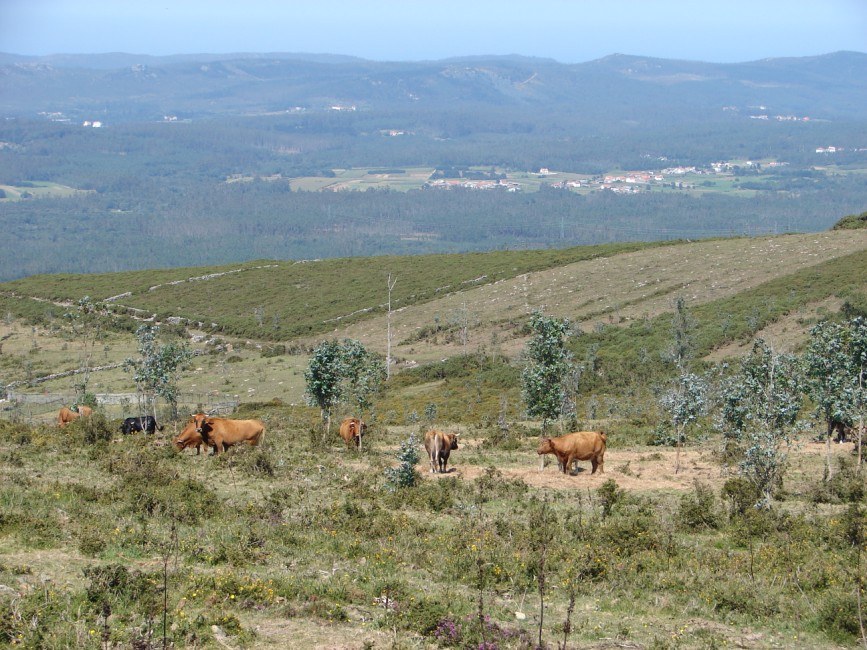
Three distinct relief zones can be identified: a narrow, level strip along the crest of the Serra de Santiago, a steep slope down to the two villages, and a flattened area corresponding to the Val de Soneira.
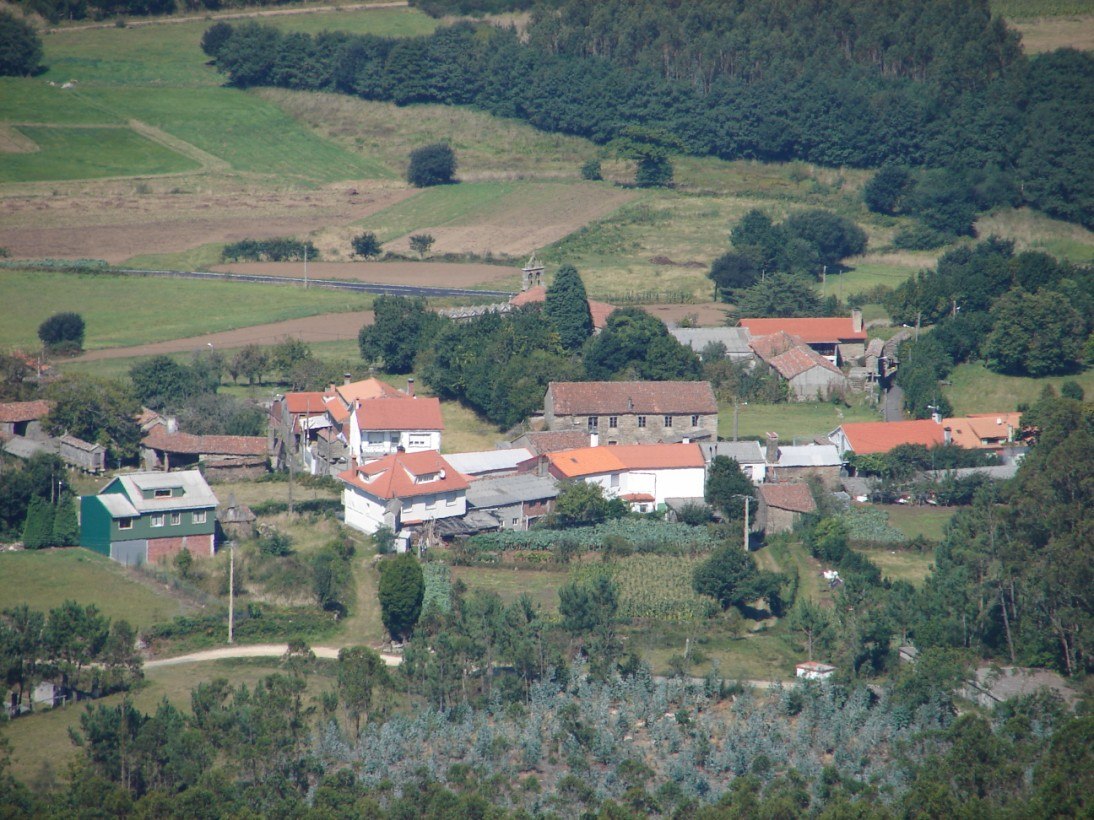
It has only two population centres – Carreira and Pedramaior – which together had 182 inhabitants in 2016 (84 fewer than in 2001). Both place names seem to have a clear explanation: Carreira comes from the Latin Carraria, ‘cart road’, and Pedramaior may refer to a singular, large stone.
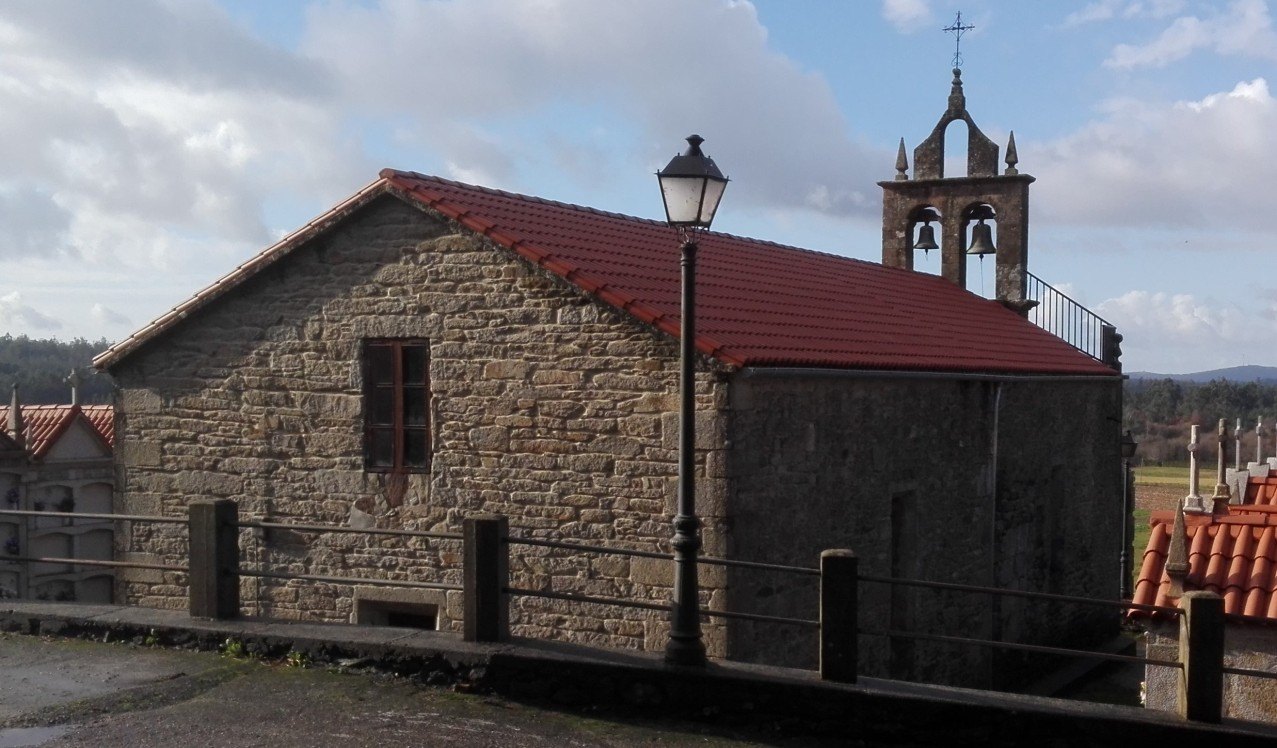
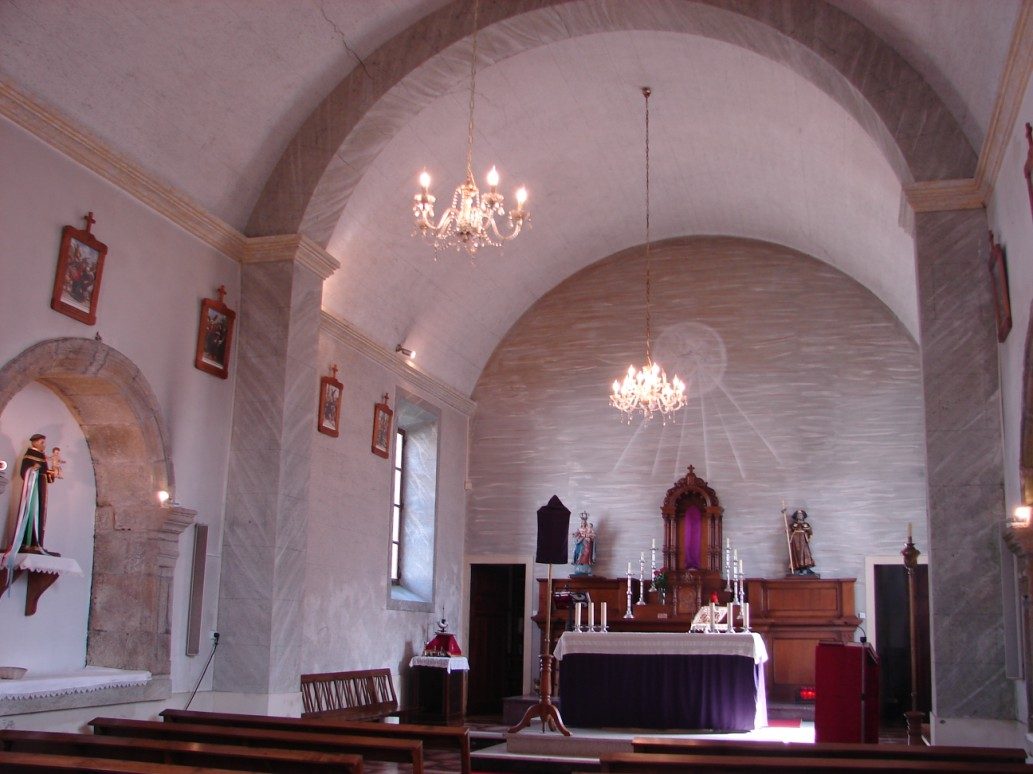
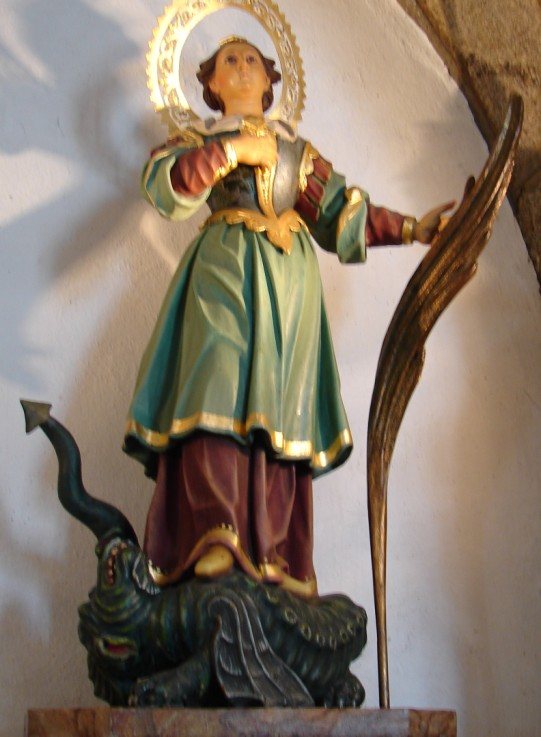
In the church, at the beginning of the 17th century two altars were founded, dedicated to Saint George and Saint Sylvester, which eventually disappeared. In 1769 major works were carried out on the façade, protested by the neighbours because they had to pay for them entirely themselves, and in 1714 the main chapel was rebuilt and a new sacristy was added. In 1804 Ignacio García, from Follente, built the niche for the two side altarpieces in the nave. In 1879 there were further major alterations and, finally, in 1966 it underwent substantial refurbishment that removed almost all earlier architectural features.
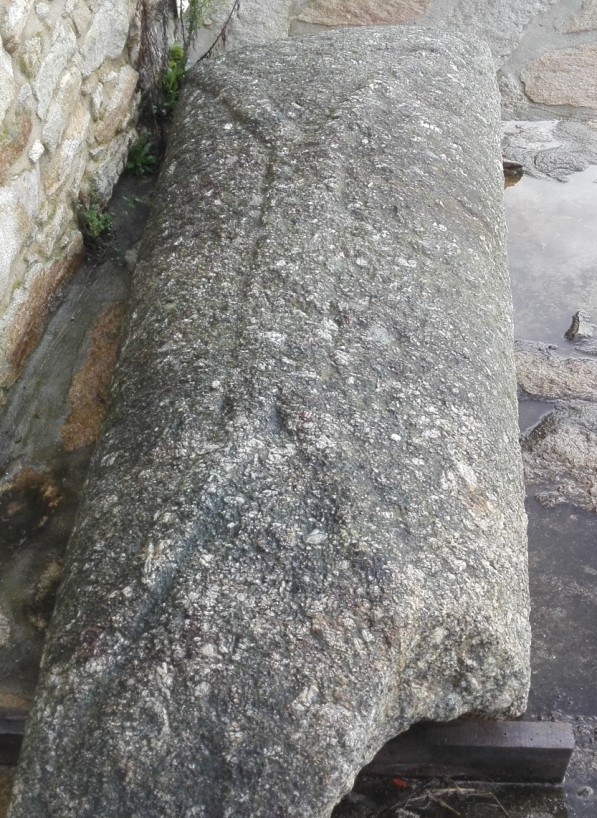
When the current access steps were built in 1998, three stone sarcophagi from the Suevic period (6th century AD) were unearthed. Roman tegulae and an ara (now lost) have also been found in A Agra das Cruces.
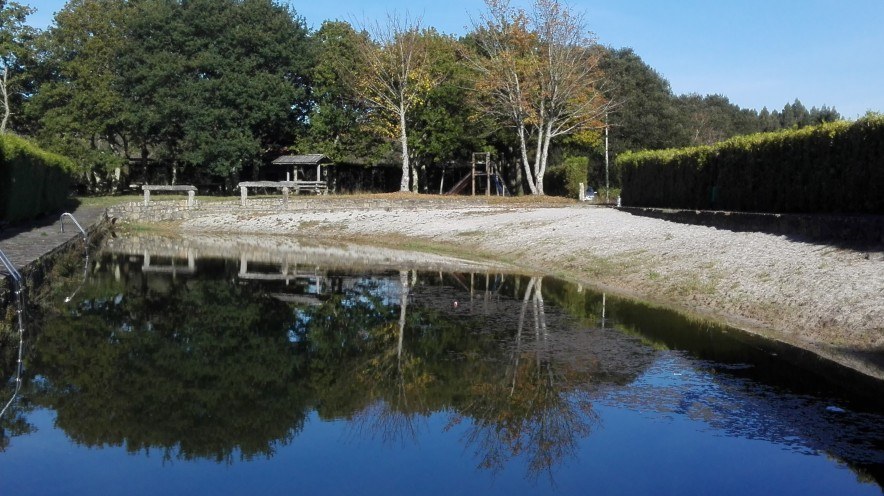
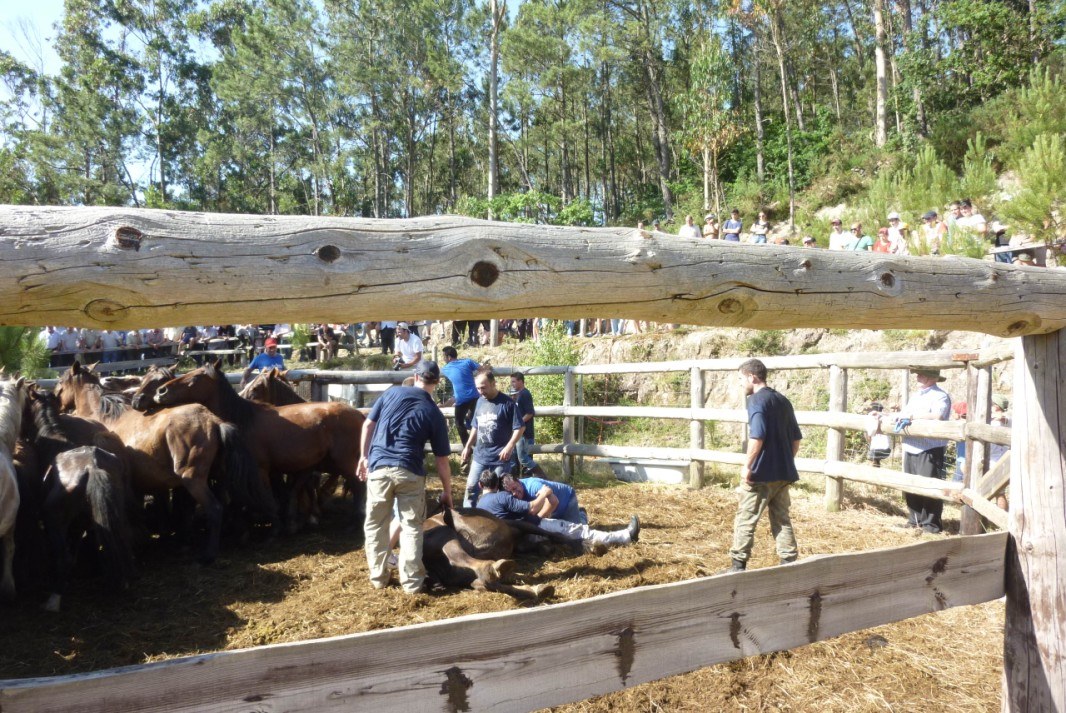
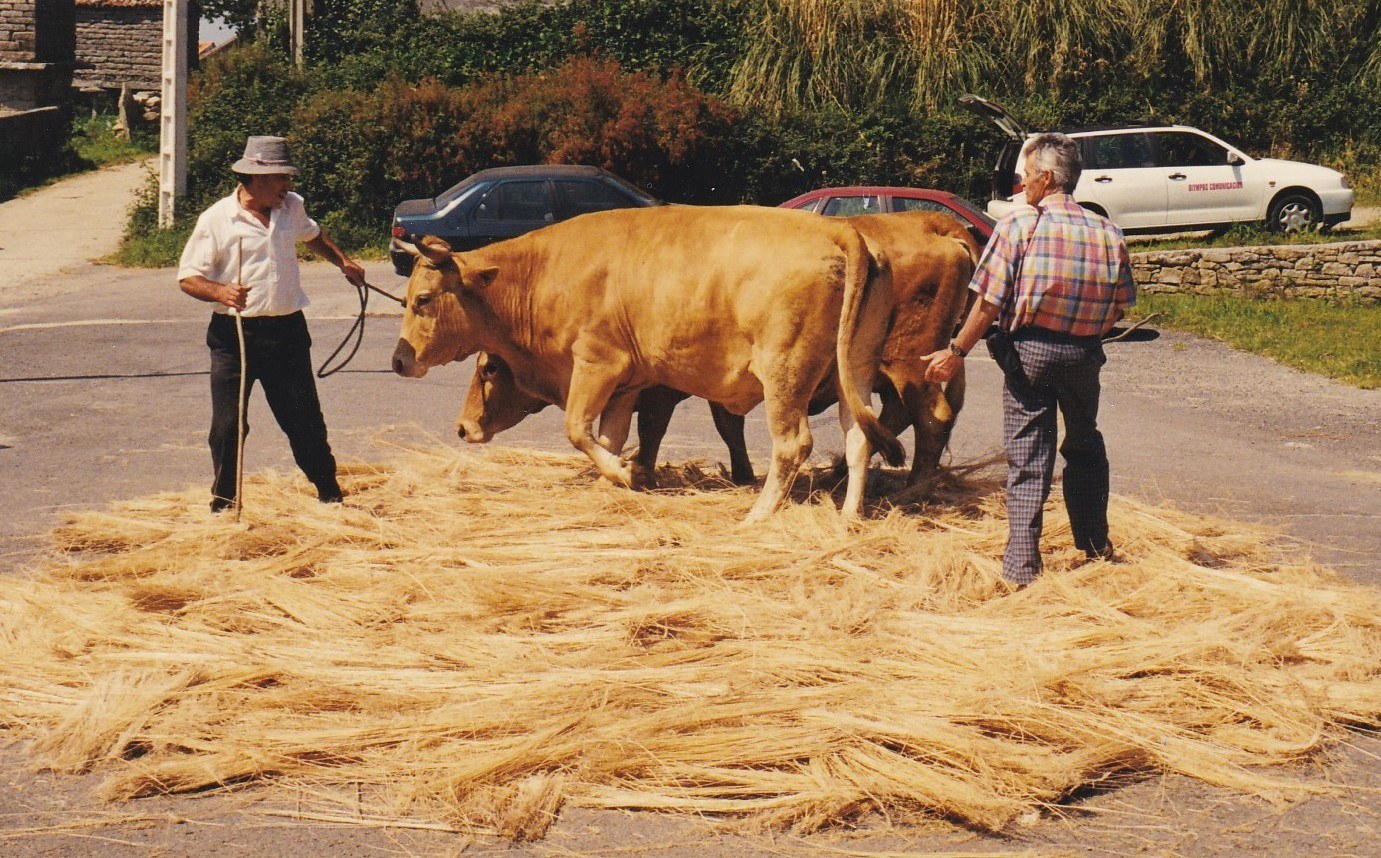
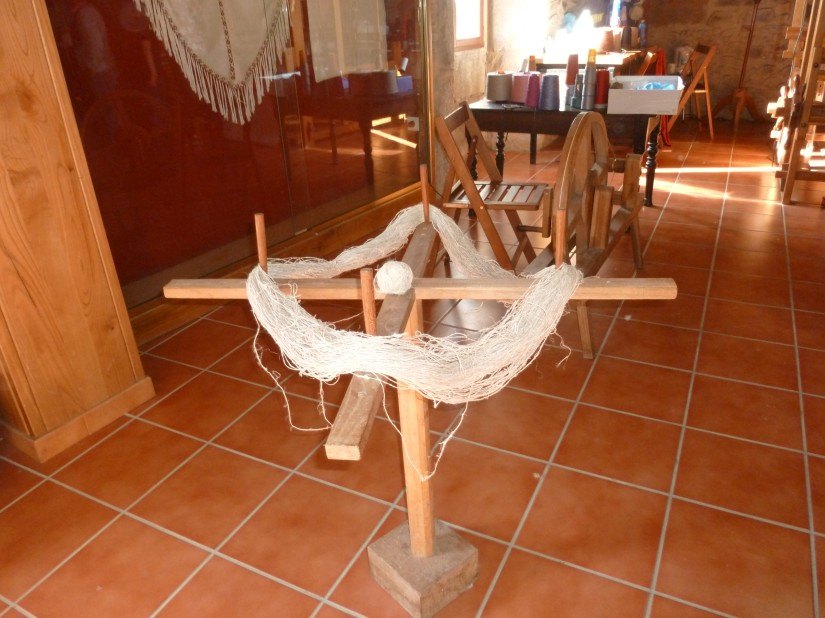
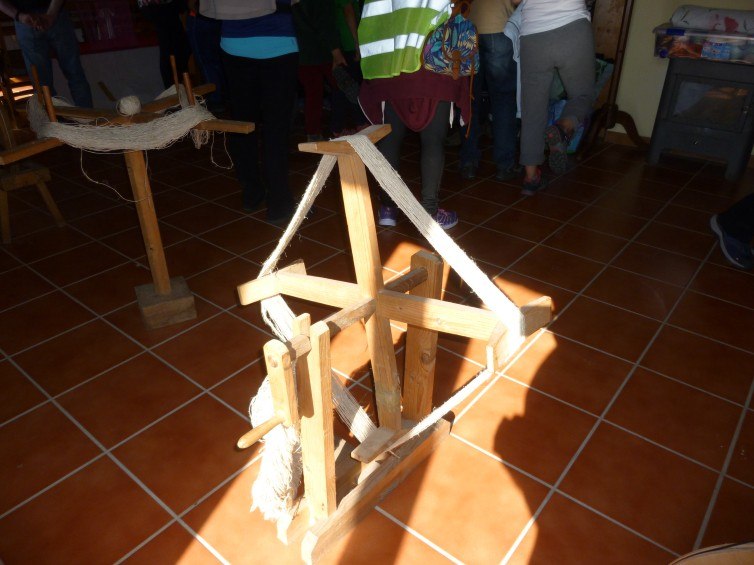
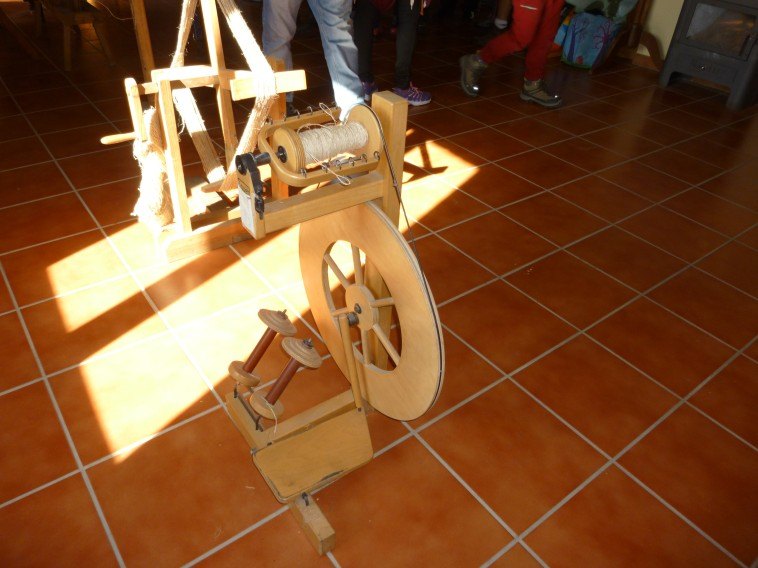
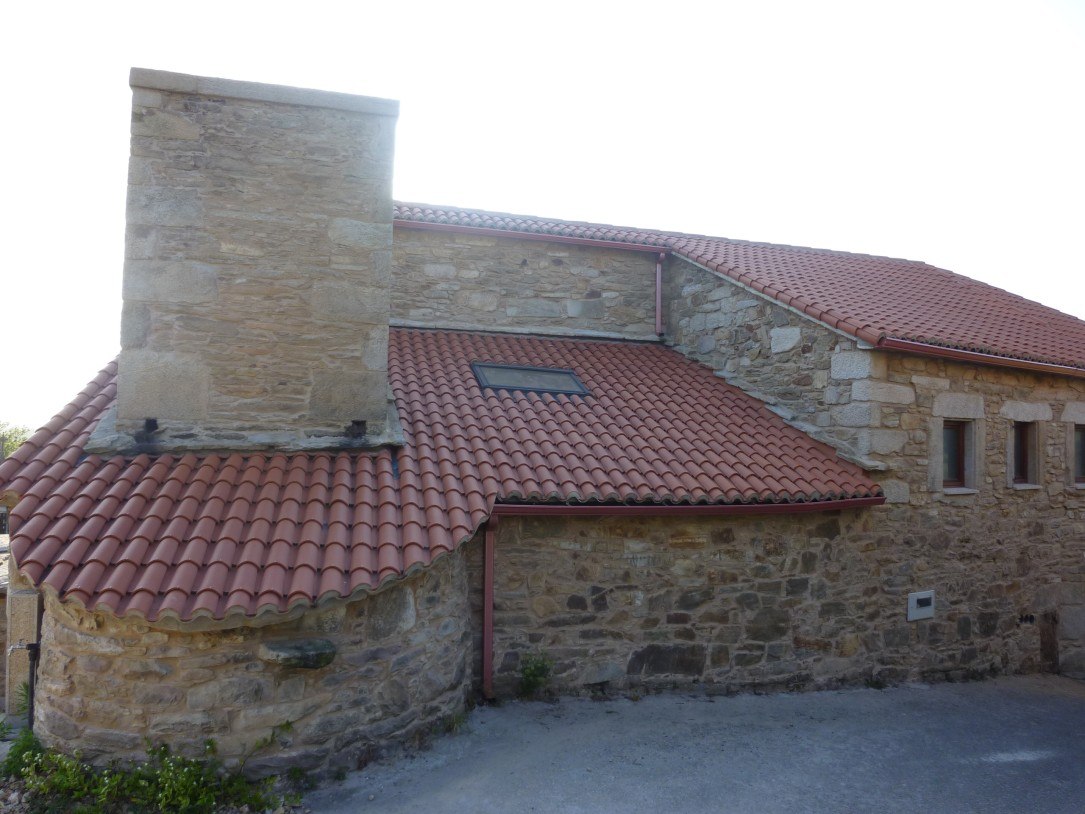
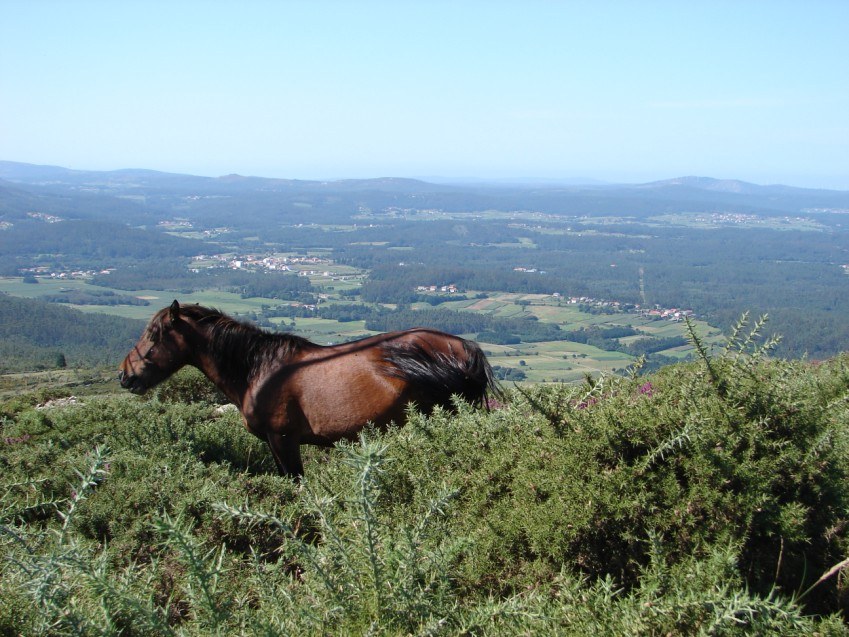
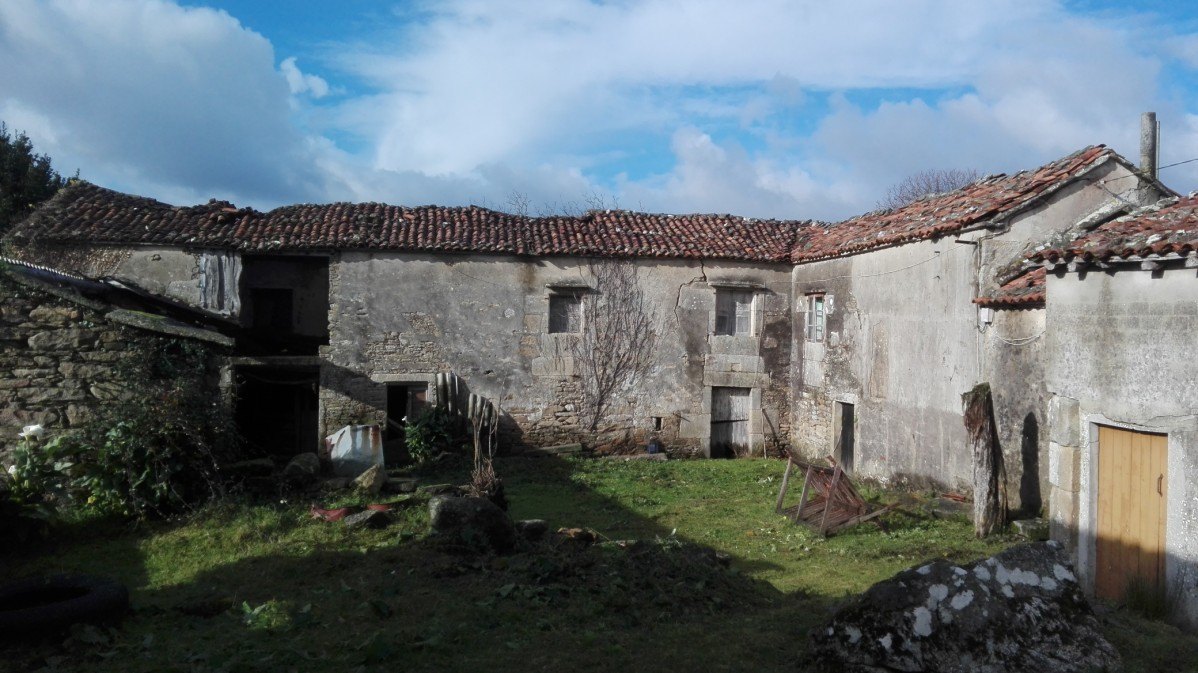
Carreira is a parish notable for its strong community life. The work carried out by the O Santiaguiño Association in the development of the parish is very important: reviving flax cultivation, building a river beach, breeding horses on the lower slopes of Pico de Meda, organising the beach festival, the rapa das bestas, etc. It also secured an excellent community centre in a restored house.
This work was so significant that it became the subject of a doctoral thesis by a Canadian anthropologist from Newfoundland, Sharon R. Roseman, who later published a book including a broad summary in Galician: O rexurdimento dunha base rural no concello de Zas. O Santiaguiño de Carreira (Baía Publishing, 2008).
The text also explains in detail how the process of reviving flax cultivation unfolded, with all the tasks it involves.
Likewise, a series of historical texts related to the parish is presented, dated 1592, 1607, 1753, 1847 and 1928.
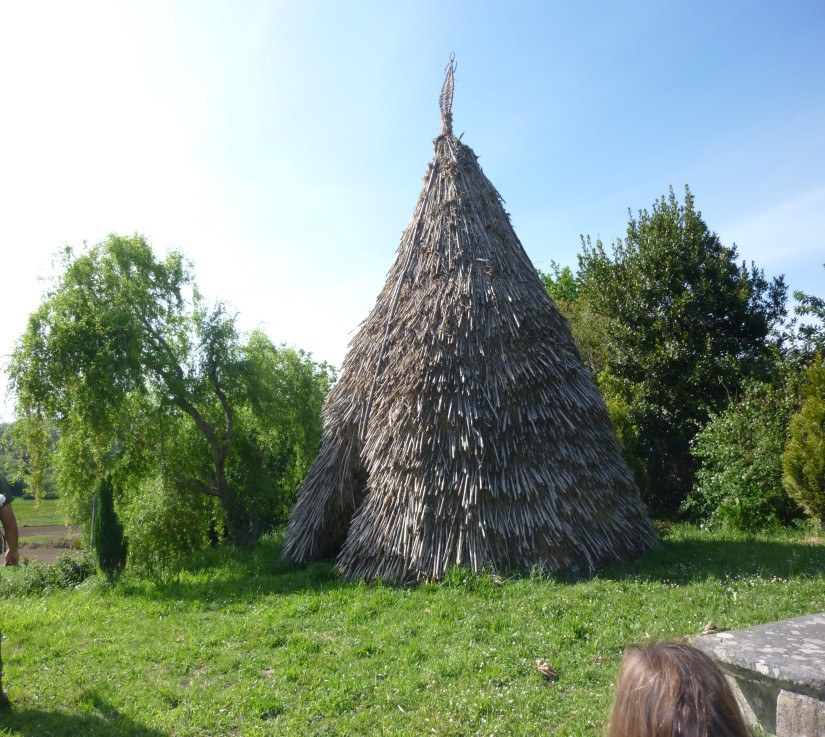
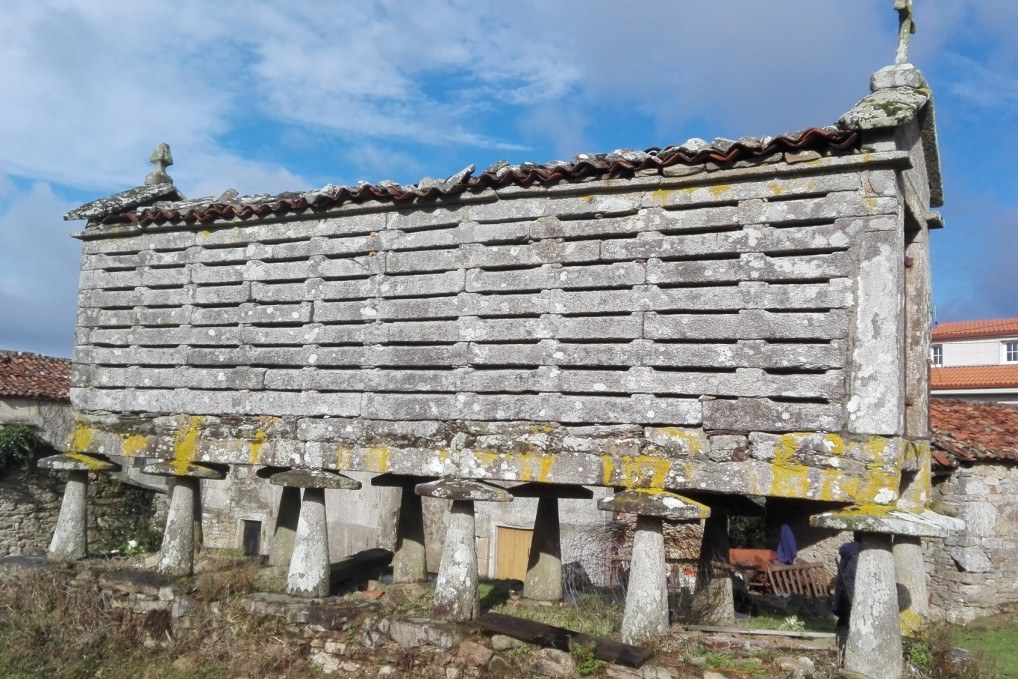
It also mentions, as a curiosity, the case of a well-crafted stone granary (cabazo) that was gambled in a card game and lost by a neighbour from Fornelos (Baio) in 1847. The winner sent a cart to dismantle it stone by stone and re-erected it in Carreira.
Don’t forget to click the link at the end of this page to access MORE DETAILED information.